How to Write a Groom Speech: Structure & Wording

By James Whitfield · Contributing Editor, Evermore
Some men start writing their groom speech as if they are preparing closing remarks at a conference.
Others swing the other way and try to freestyle it on charm, adrenaline, and the vague belief that love will somehow provide copy.
Neither approach is ideal.
The first usually produces something overly formal and faintly lifeless. The second tends to produce a speech that begins well enough, wanders into improvised gratitude, accidentally forgets the bride for a full minute and a half, then lands on a toast that sounds invented in the car.
So if you are figuring out how to write a groom speech, the useful news is this: you do not need to be naturally "good at speeches." You need a clearer sense of the job.
Because the groom speech is not really one thing. That is why it catches people out.
You are welcoming people. Thanking them. Acknowledging family. Speaking about your partner. Setting the tone for the room a little. Sometimes cleaning up after the emotional weather left by earlier speeches. Sometimes gently rescuing the evening from too much admin. It is part host, part husband, part emotional translator, part man trying not to sound like he has recently inhaled a wedding card aisle.
That is also why so many groom speeches go wrong in familiar ways. They become:
- a thank-you list with occasional feelings
- a vow sequel
- a best man speech with the wrong wardrobe
- or a stiff little speech in which the groom sounds like he was replaced by a regional banquet manager
A good groom speech is much less dramatic than all that.
It welcomes people warmly. It thanks them efficiently. It says something real about the bride. It sounds like a person rather than a performance. Then it gets out while it is still ahead.
That is the standard.
This guide walks through how to do exactly that. We will cover:
- what a groom speech actually needs
- the structure that works best
- how to talk about the bride without sounding generic
- how to thank people without turning the room into a spreadsheet
- how funny to be
- what to cut
- how long the speech should be
- and how to make the whole thing sound like you, just slightly better organised
Start Your Groom Speech
Answer a few questions and get a personalized groom speech in minutes.
Try for free
"The strongest groom speeches usually feel like the groom has decided in advance not to over-perform. That single decision does more for the speech than any clever line." — James Whitfield, Contributing Editor at Evermore
What the groom speech is really there to do
A lot of speech problems start because the speaker has the wrong brief in his head.
If you think the groom speech is supposed to be:
- the funniest speech of the night
- the most romantic speech of the night
- or a flawless public display of gratitude toward every living person involved in the wedding
you are going to make the job much harder than it needs to be.
The real brief is simpler.
A strong groom speech should usually:
- welcome the guests
- thank the key people
- say something meaningful about your partner
- acknowledge the day and the room
- end clearly
That is enough.
You do not need to summarise your whole relationship. You do not need to become unexpectedly poetic. You do not need to sound "wedding-ish." You do not need to prove that you are relaxed by making fifteen jokes in twelve minutes.
You just need to sound warm, steady, and recognisably yourself.
That last part matters more than people think.
Guests are not waiting to score the literary quality of your transitions. They are listening for whether the speech feels true. They want to hear a version of you that fits the moment. A little more deliberate, maybe. A little more polished. But still you.
Before you write anything, decide what kind of groom speech you are giving
A lot of people skip this and go straight into drafting. That is how you end up with a speech that contains three competing versions of the same man.
Before you write, decide the general shape of your tone.
You might be:
- warm and lightly funny
- sincere and understated
- more polished and formal
- dry and calm
- practical, but capable of one or two emotional moments
- not naturally speechy, but perfectly able to be clear and generous
All of those can work.
What does not work is writing without any tonal decision at all. That is how speeches get weirdly mixed. They start with a conference welcome, drift into one decent joke, suddenly produce a very polished declaration of eternal devotion, then end by thanking "the wonderful catering team" as if the groom has been kidnapped mid-draft.
Pick a lane early.
You do not need to stay in it rigidly, but you do need a center of gravity.
A good way to test tone is this: If you read a sentence aloud and it sounds like something you would never naturally say, it probably does not belong.
That does not mean every line should be casual. It means the speech should sound speakable in your own voice.
The easiest groom speech structure to follow
When people panic, they either overcomplicate structure or pretend they do not need one. Both are bad ideas.
This structure works for most grooms:
1. Open and welcome everyone
Keep it simple. Say hello. Acknowledge the room. Thank people for being there.
2. Thank the key groups
Parents, family, guests, maybe the wedding party. Group where you can. Do not turn it into admin.
3. Speak about your partner
This is the center of the speech. It should not feel like an afterthought.
4. Briefly widen back out
One or two lines that bring the room, the day, or the shared celebration back into view.
5. End with a toast or clear closing
Do not trail off. Do not add three bonus thoughts after the toast.
That is the structure.
It is not flashy. That is one reason it works.
How to open a groom speech without cringing at yourself
Most weak groom speech openings fail because they try to do too much.
They try to be:
- funny
- polished
- heartfelt
- and commanding
all at once.
A better opening just gets the room with you.
A few strong models:
Clean and classic
Good evening, everyone, and thank you so much for being here with us tonight.
Slightly warmer
Before I say anything else, thank you all for being here. It means a huge amount to us to be celebrating with you.
Lightly funny
Good evening, everyone. It is wonderful to see so many people we love in one room, and mildly surreal to realise you are all looking at me at once.
Softer and more personal
Looking around this room tonight feels pretty special. We're very lucky to have all of you here with us.
What these openings do well:
- they get started
- they sound natural aloud
- they do not overreach
- they leave space for the speech to build
What to avoid:
- "On behalf of my beautiful wife and I…"
- overly formal event language
- anything that sounds like a script written for a master of ceremonies
- long jokes before the speech has even grounded itself
If you want a laugh early, keep it small. The room does not need proof of concept in the first sentence.
The thank-you section: necessary, but dangerous
This is where many groom speeches become noticeably longer and noticeably worse.
The problem is understandable. You do have people to thank. Quite a few, usually. The challenge is that gratitude expands if you let it. One thank-you leads to another, then another, and before long the speech feels like acknowledgements at the end of a memoir.
What works better:
- thank groups rather than every individual
- prioritise people who truly need mentioning
- keep the wording clean
- do not repeat the same gratitude sentiment five times in slightly different clothes
Example:
We also want to thank our parents and families for all the love and support that brought us here. We know how lucky we are to have had so much help, encouragement, and patience around us, not just during the wedding planning, but long before it.
That is enough.
You can also thank friends or the wedding party in one compact section:
And to our friends — thank you for turning the build-up to this day into something joyful, reassuring, and much more fun than it would have been otherwise.
Short. Warm. Done.
What weakens the section:
- mentioning too many operational details
- sounding obliged rather than grateful
- giving suppliers the same emotional weight as family
- repeating "thank you so much" until it stops sounding like language
Thank people properly. Then move on.
If parents are giving their own speeches as well — for instance the father of the bride speech or the mother of the bride speech — you can keep your own thank-yous lighter, knowing the room will be hearing more from them too.
The bride section is the heart of the speech
This is the part you should spend the most time getting right.
Not because it has to be theatrical. Because it has to feel real.
A weak groom speech often spends ages warming up with logistics, family, and thank-yous, then gets to the bride and suddenly produces one of these:
- "You are my soulmate and my best friend."
- "You are my everything."
- "There are no words to describe how I feel."
There are words. The speech is happening because words are, in fact, available.
The issue is usually that men try to sound romantic in a generic register instead of speaking about the actual woman they married.
A stronger approach is to focus on what is true and recognizable.
Ask:
- What is she like in real life?
- What changes when she enters a room?
- What do I admire that other people also genuinely see?
- How does life feel different with her in it?
- What is specific about the way we fit together?
Better lines tend to sound like this:
- You make life feel steadier without making it feel smaller.
- One of the things I love most about you is how easy you make it to be fully myself.
- You are thoughtful in ways people notice eventually, but I've had the privilege of noticing from very close range.
- Life with you feels brighter, calmer, and much more like home.
- You make ordinary days better, which I think is a rarer gift than dramatic romance gets credit for.
Why these work:
- they are observed
- they are believable
- they sound like they belong to a real couple
- they do not depend on inflated romantic language
That is the whole trick.
Specificity beats grandeur.
Create Your Groom Speech
Get a personalized draft based on your relationship, memories, and tone.
Try for free
How romantic should a groom speech be?
Less than a vow, more than a thank-you card. That is the range to aim for.
The groom speech should absolutely contain affection and emotional truth. But it usually should not sound like a private letter read in public against the will of half the room. It is still part of a shared celebration. It still has to include the guests and acknowledge the room.
A useful way to think about it: Your partner should feel central, not isolated.
You are not stepping out of the wedding to have a separate intimate monologue. You are speaking about her, to her, and also within a room full of people who care about both of you.
So yes:
- be warm
- be sincere
- be direct
But you do not need to become an atmospheric poet after the starter course.
How funny should a groom speech be?
Funny enough to feel alive. Not so funny that the speech starts chasing laughs.
A lot of grooms make one of two mistakes:
- they are so nervous about being earnest that they over-joke
- or they avoid humor entirely and sound ten percent too formal
Usually the best middle ground is:
- one or two light opening laughs
- maybe one line in the thank-you section
- maybe one line in the bride section if it feels affectionate and true
- then let the speech breathe
Examples of humor that tends to work:
- dry observations
- small self-awareness
- mild comments on the planning process
- jokes that make the room feel included, not tested
Examples:
- We're so grateful to our families for all their support and for pretending, with real generosity, that we were more organised than we actually were.
- You look incredible tonight, which feels rude given that you have also been the more competent person throughout this entire week.
- It's been wonderful seeing so many people we love in one room, especially those of you who usually only communicate with us via voice notes and delayed replies.
What to avoid:
- trying to outdo the best man
- jokes that make the bride sound difficult
- long bits
- anything too private
- anything that needs the room to know your entire backstory
The groom speech is not where you prove you are funny. It is where you let some wit help the room trust you. If your brother is also speaking — sometimes as best man, sometimes in his own slot — our brother of the groom speech examples page is a useful sanity check so the two speeches do not end up making the same points.
A sample groom speech structure, written out
Here is the shape in practice:
Good evening, everyone, and thank you so much for being here with us tonight.
Looking around this room, we feel incredibly lucky. To have all of our families, friends, and favourite people here in one place means a huge amount.
We also want to thank our parents and families for all the love and support that brought us here. We know how fortunate we are to be surrounded by people who have cared for us so generously, not just today, but for years before it.
And to Sophie — there is a lot I could say, but the simplest version is probably the truest. Life with you is happier, steadier, and much more fun than life without you ever was. You are kind, sharp, calm in ways I deeply benefit from, and endlessly good at making ordinary life feel like something worth hurrying home to. I love you very much, and I feel incredibly lucky that this is our day.
Thank you all again for being here and celebrating with us. Please enjoy the rest of the evening.
Why this works:
- clear opening
- concise gratitude
- a strong bride section
- no wasted middle
- a clean finish
It is not trying to be legendary. That is part of why it succeeds.
If you want to see more fully written-out versions across different tones, our groom speech examples page is a useful companion to this guide. For openings and toasts across every role at the reception, our roundup of wedding speech examples is also worth a look.
What to say about your partner if you hate sounding cheesy
This is an extremely common problem.
Usually the solution is not "be less emotional." It is "be more precise."
Cheesy language often appears when people reach for abstract, universally romantic phrases instead of naming something real.
Instead of:
- You are my everything.
- You complete me.
- You are my soulmate and best friend.
Try:
- You make life feel easier, funnier, and more like itself.
- You are the person I most want beside me in every kind of day, not just this one.
- One of the things I love most about you is how naturally you make people feel welcome.
- You make even difficult weeks feel more manageable.
- You have a way of making life feel lighter without ever making it feel less serious where it counts.
These lines are stronger because they sound more like actual thought and less like wedding wallpaper.
How long should a groom speech be?
Usually shorter than the groom expects and longer than the internet's shortest examples suggest.
A strong range is often:
- 5 to 8 minutes
- roughly 600 to 1,000 words
You can go a little shorter if the evening has several speeches. You can go a little longer if there are meaningful thank-yous or cultural expectations. But once the speech starts creeping upward, ask:
- is every section earning its place?
- is this still a speech, or am I wandering into memoir?
- have I said the same thing twice, just with better cufflinks?
The room does not want less heart. It wants more judgment.
What to cut first if the speech is too long
This is easy to diagnose.
Cut:
- repeated thank-yous
- stories that don't lead anywhere
- more than one "we're so lucky" paragraph
- throat-clearing before the bride section
- long lists of names
- any joke that needs explaining
- any sentence you only like because it sounds polished on paper
Keep:
- the welcome
- the key thank-yous
- the best lines about your partner
- one or two light touches of humor
- the ending
If you want a good rule: When in doubt, cut whatever looks most like "speech content" rather than real speech.
How to practice without turning strange
You do need to practice. You do not need to become theatrical.
Best approach:
- read it aloud several times
- stand up while doing it
- trim anything that sounds unnatural
- mark where to pause
- print or enlarge the text
- do one run-through slower than you think you need
What you are practicing is not performance. It is familiarity.
The goal is to stop the speech from feeling like a foreign object in your mouth.
If a sentence repeatedly sounds stiff when spoken, trust that. Rewrite it. The spoken version is the real test.
Common groom speech mistakes
Making the speech too much about logistics
No one needs a ceremonial recap of the seating plan, weather drama, or vendor timeline.
Turning the bride into a general concept
She should sound like this specific woman, not "beautiful bride archetype." If your partner is also speaking — see our notes on the bride speech — your two speeches will land better when they each sound like the actual person, not the role.
Over-thanking
Gracious is good. Endless is deadening.
Trying too hard to sound relaxed
A speech can be sincere without proving it is chill every thirty seconds.
Using lines you would never normally say
The speech should feel elevated, not possessed.
Ending weakly
Do not mumble your way out of the final sentence. Finish properly.
If you are not naturally a "speech person"
That is fine. Many of the best groom speeches come from men who would never describe themselves that way.
You do not need:
- big charisma
- unusual eloquence
- performed charm
- perfect jokes
You need:
- a good structure
- a few true observations
- one or two lines that genuinely sound like you
- enough editing to remove the dead weight
That is all.
Some of the most memorable speeches are memorable because they sound honest and unforced, not because they sound impressive. Guests are usually more moved by recognizable truth than by polish.
What a groom speech should sound like at the end
Not perfect.
Not legendary. Not "the speech everyone talked about for years because the groom secretly had a Netflix special in him."
It should sound:
- warm
- steady
- personal
- grateful
- believable
It should sound like a man who knows what matters in the room and says enough about it.
That is a much more useful target than brilliance.
Quick groom speech checklist
Before you call it done, ask:
- Does this sound like me?
- Did I welcome the room clearly?
- Did I thank the right people without overdoing it?
- Does the bride feel central?
- Is the humor light and controlled?
- Is there anything here I would be embarrassed to say aloud?
- Is it short enough?
- Does the ending actually end?
If yes, you are in much better shape than you think.
If you are tempted to outsource the whole thing to a chatbot, it is worth reading our take on can ChatGPT write a wedding speech before you paste anything in — the short version is that generic AI drafts almost always need rewriting by hand.
Frequently asked questions about how to write a groom speech
Does a groom speech have to be funny?
No. A little humor helps, but warmth and clarity matter more.
Should a groom speech be romantic?
Yes, but in a grounded way. It should not sound like a second set of vows.
Do I need to thank everyone individually?
No. Grouping people is usually better for the speech and kinder to the audience.
How long should it be?
Usually 5 to 8 minutes. Often less if there are lots of other speeches.
What if I hate public speaking?
Keep the structure simple, write in your own voice, and practice aloud a few times. Clear and genuine is enough.
What if I do not know where to start?
Start with the structure: welcome, thank, speak about your partner, close. Then fill it in from there.
Final thoughts
Learning how to write a groom speech is mostly about learning what not to overdo.
Not too many jokes. Not too many thank-yous. Not too much polished romance. Not too much performance. Not too much speech-shaped speech.
The strongest groom speeches usually feel lighter than people expect. More direct. More human. A little less interested in sounding "special" and much more interested in saying the right thing in the right room.
That is the whole game.
Not brilliance. Judgment.
Not a perfect version of yourself. Just a real one, with better pacing.
If you want a second editorial perspective on tone and the small etiquette details, Brides on writing the groom speech is worth a quick read.
Need help writing your groom speech?
If you want something more tailored than a rough draft and a rising sense of resentment, Evermore can help.
With Evermore, you can:
- answer a few thoughtful questions
- choose your tone
- get a personalized draft
- revise until it feels right
- preview it before you pay
It is the easiest way to go from blank page to groom speech you would actually feel good saying.
Generate Your Groom Speech Now
See your preview before you pay.
Try for free
Related Articles
Speech Examples · April 21, 2026
Groom Speech Examples: Openings & Toasts
Real groom speech examples — short, funny, heartfelt — plus openings, closings, and the bride section that make a speech actually sound like you.
Speech Tips · May 1, 2026
Groom Speech Template: Fill-in-the-Blank
A fill-in-the-blank groom speech template with structure, wording help, short and fuller versions, and toast ideas that sound like you.
Best Man Speeches · April 4, 2026
How to Write a Best Man Speech: Ultimate Step-by-Step Guide
Everything you need to write a best man speech from scratch — structure, examples, humor tips, delivery advice, and common mistakes to avoid.
Father of the Bride · April 8, 2026
How to Write a Father of the Bride Speech: Ultimate Step-by-Step Guide
A complete step-by-step guide to writing a father of the bride speech — structure, tips, examples, what to avoid, and how to deliver it confidently.
Maid of Honor Speeches · April 10, 2026
How to Write a Maid of Honor Speech: Ultimate Step-by-Step Guide
A complete step-by-step guide to writing a maid of honor speech. Learn the best structure, what to include, what to avoid, and how to deliver it confidently.
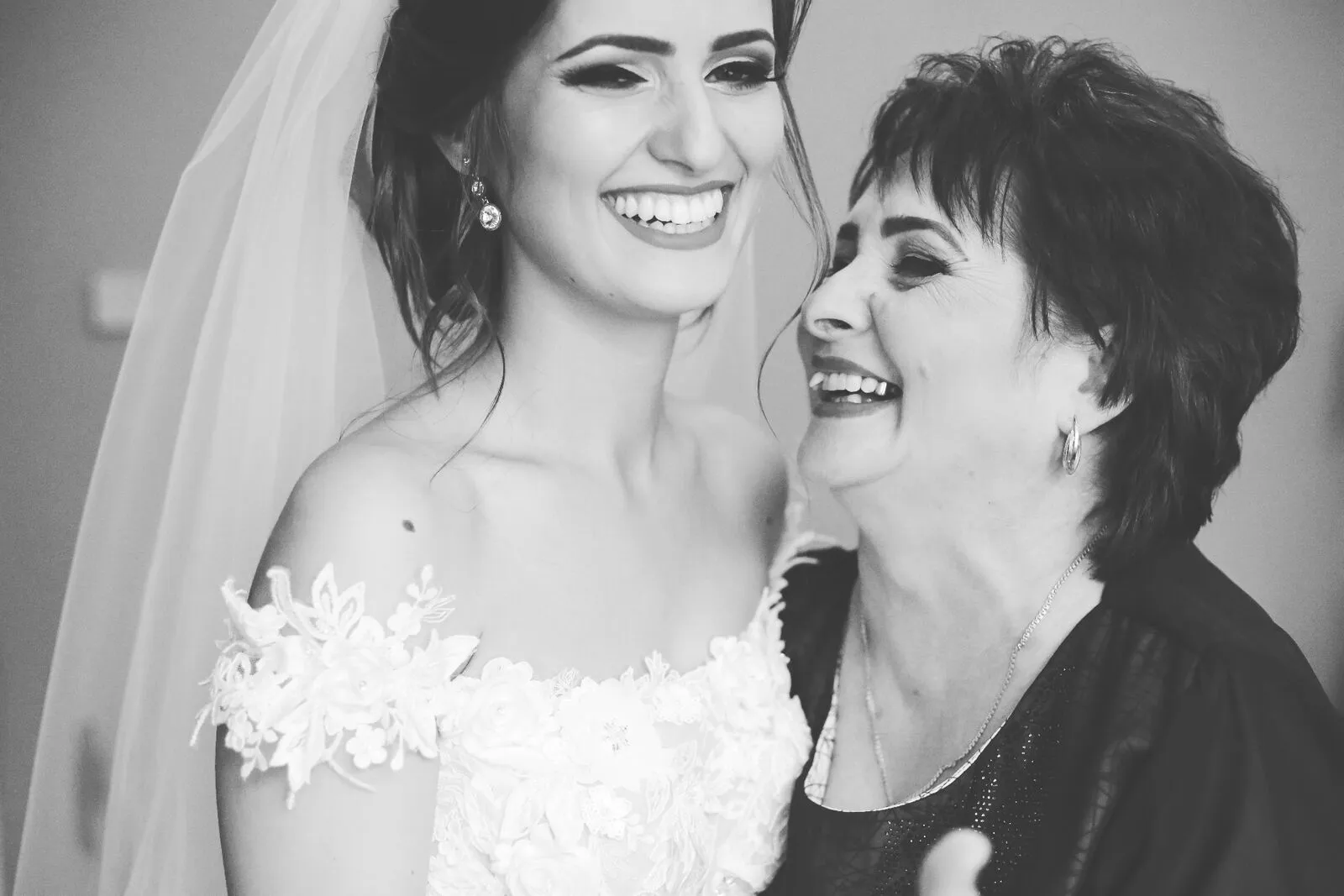
Mother of the Bride · April 13, 2026
How to Write a Mother of the Bride Speech: Ultimate Step-by-Step Guide
A complete step-by-step guide to writing a mother of the bride speech — from choosing tone and memories to managing nerves, editing for delivery, and ending with a toast.