Evermore started the way a lot of wedding ideas do: with a real wedding, real pressure, and the sudden realization that "just write something from the heart" is terrible advice when you're actually the one holding the blank page.
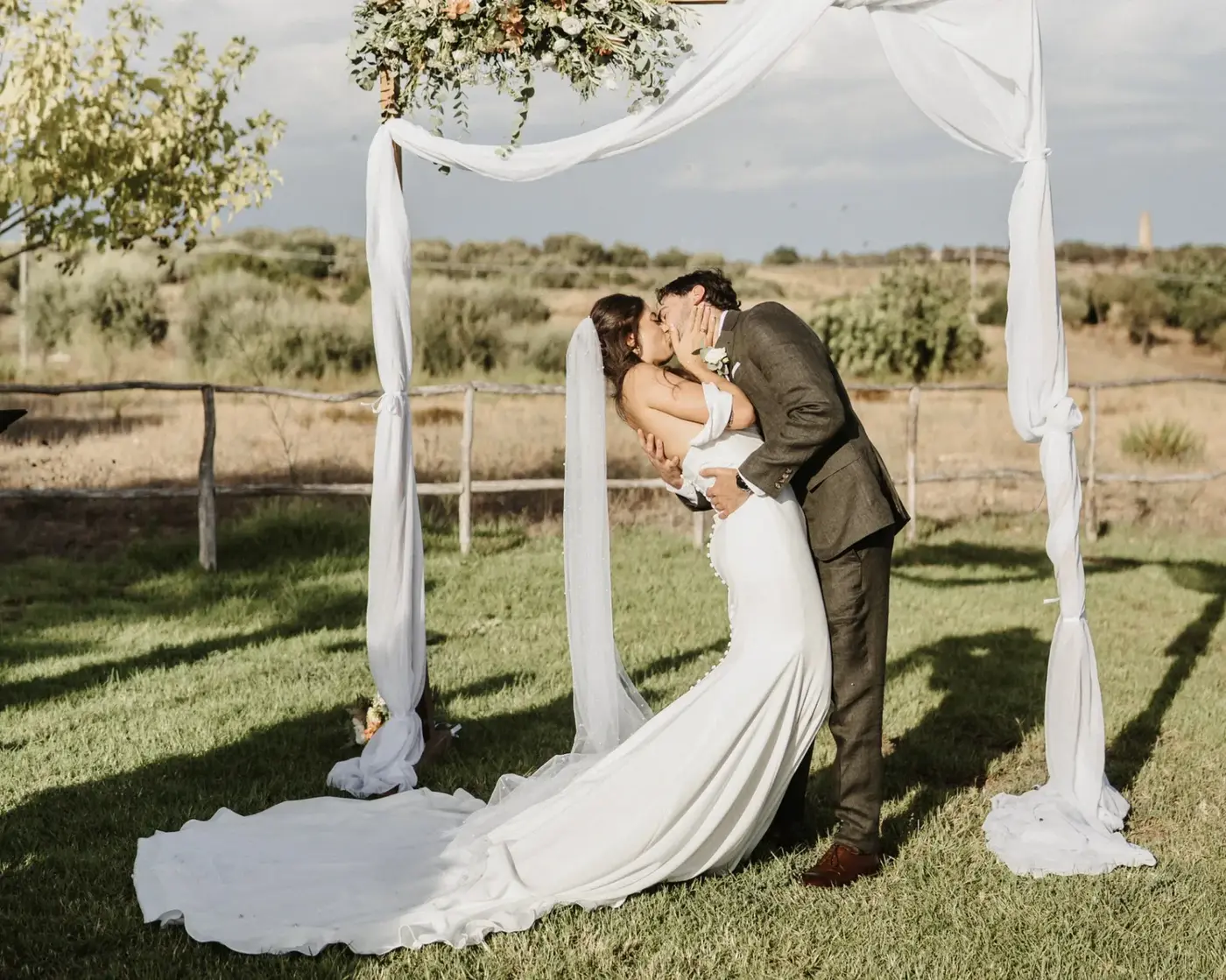
My wife and I got married in Sicily in 2025. It was the kind of wedding people imagine as effortless from the outside — a beautiful setting, people we loved, a weekend we'll remember forever. What nobody really sees in those moments is how much emotional writing sits underneath them. Speeches. Vows. Toasts. Messages. Thank-yous. All the words that are supposed to feel meaningful, natural, and memorable at exactly the moment you feel the most pressure to get them right.
And we struggled with it.
Not because we didn't know what we felt. That was never the problem. The problem was turning real feelings, real history, and real relationships into words that actually sounded like us. Everything we found online seemed to swing between two extremes: stiff, generic wedding language that could have been written for anyone, or AI-generated writing that sounded polished at first glance and completely unnatural the second you imagined saying it out loud.
It was either too bland, too overblown, too cheesy, or too obviously assembled.
So we built Evermore.
Evermore exists to help people write wedding vows, speeches, and toasts that sound personal, grounded, and genuinely human. Writing that feels like something you would actually say in a room full of people who know you. Writing that has warmth without fluff, feeling without melodrama, and structure without sounding templated.
We built it because we wanted something better ourselves.
Why Evermore feels different
Most wedding writing tools focus on output volume. Evermore focuses on voice, emotional realism, and spoken delivery.
That means we think hard about things like:
- whether a line sounds natural out loud
- whether a vow feels specific to a real relationship
- whether a speech sounds like a person, not a performance
- whether humor feels warm rather than forced
- whether the writing is actually usable in a live wedding setting
A great wedding speech is not just "good writing." A great vow is not just "romantic writing." These are social forms. They have to work in real life — with nerves, with family in the room, with timing, with tone, with the complicated fact that what reads beautifully on a screen can sound completely wrong when spoken aloud.
That is the standard we built Evermore around.
What we believe
We believe the best wedding writing:
- sounds like the person saying it
- feels specific, not generic
- is emotionally honest without becoming overdone
- understands the room
- and can actually be spoken out loud without making you feel like you've borrowed someone else's voice
We also believe AI should help people say something real — not flatten their personality into the same recycled wedding language everyone else is using.
Who Evermore is for
Evermore is for:
- couples writing their vows
- best men trying to be funny without losing the room
- maids of honor trying to strike the right tone
- parents who want to say something meaningful without rambling
- siblings, friends, and hosts who know what they feel but can't quite shape it
- anyone who wants help without ending up with something that sounds canned, cliché, or obviously AI-written
Some people come to Evermore with a full page of notes. Others come with one story and a rising sense of panic. Both are normal.
How Evermore works
Evermore guides you through thoughtful prompts about your relationship, role, tone, and the details that matter. Then it helps turn that into a draft that feels more personal, more natural, and more usable than a generic generator output.
The goal is not to write instead of you in some soulless way. The goal is to help you get to something that still feels like yours — just clearer, stronger, and more sayable.
Built with care
We care a lot about quality, privacy, and trust.
That means:
Why the name Evermore
Because the words people say at weddings are about more than one day.
They are about promises, memory, family, friendship, and the hope that certain things will last. We wanted a name that felt romantic, yes, but also enduring. Something with a little gravity to it.