How to Write a Father of the Groom Speech: A Calm, Confident Step-by-Step Guide

By James Whitfield · Contributing Editor, Evermore
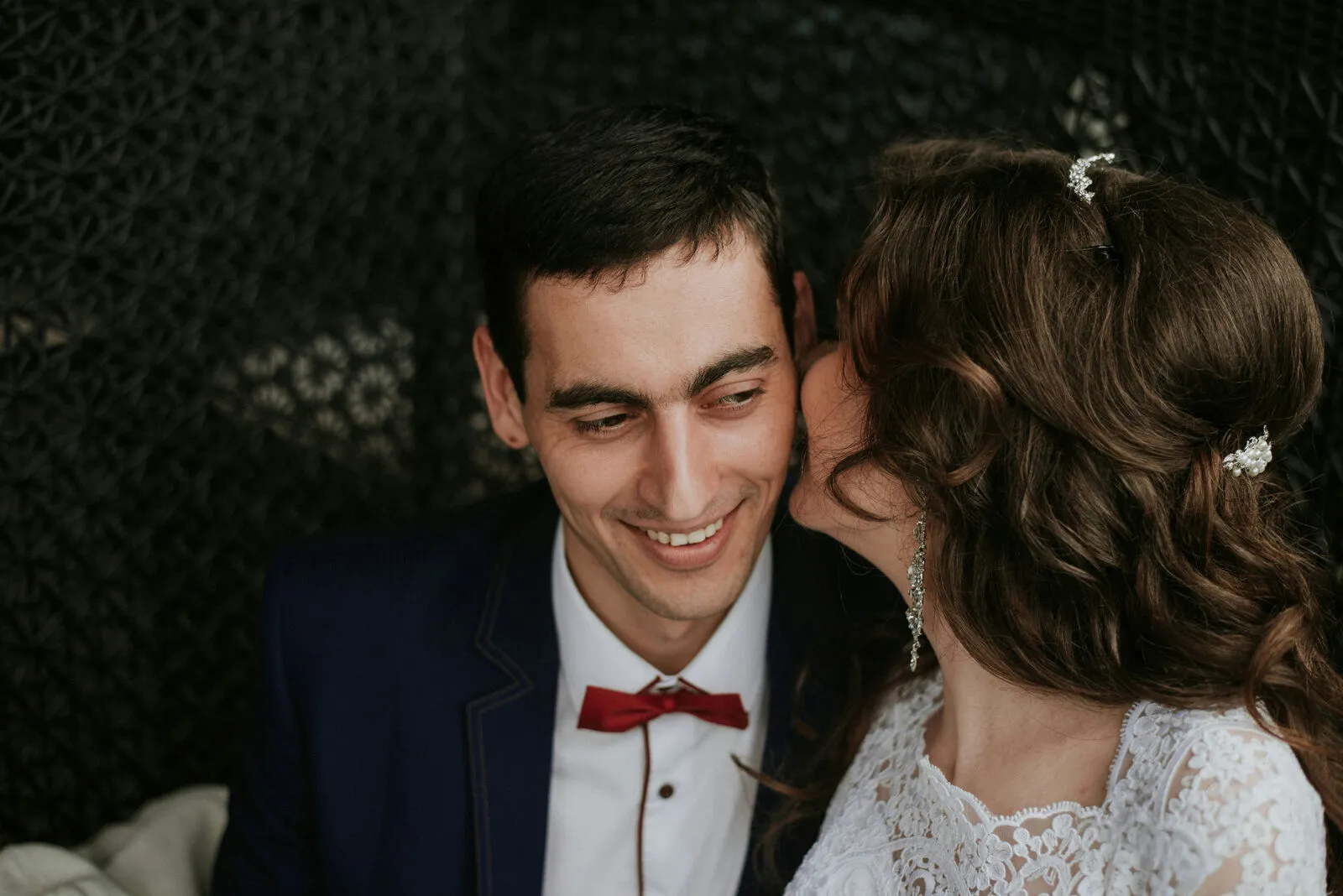
Writing a father of the groom speech can feel awkward in a way that is hard to explain until you are actually doing it.
Not because you do not care.
Usually because you care enough to know when something sounds wrong.
You do not want to stand up and sound stiff.
You do not want to sound like you borrowed a wedding speech from the internet.
You probably do not want to become unexpectedly theatrical, overly sentimental, or ten minutes deep into a story that was better in your head than it is in a reception room with seventy guests and a microphone.
That is the specific challenge of this role.
A father of the groom speech is often less about grand emotional display and more about judgment. What do you include? What do you leave out? How do you say something meaningful without trying too hard to sound meaningful? How do you speak about your son in a way that respects who he is now, not just who he was at eight years old? How do you welcome the person he is marrying without sounding formal, generic, or oddly detached?
Those are the real questions.
And if you are here, you probably want a speech that feels:
- solid
- warm
- specific
- and like something you can actually say out loud without cringing halfway through it
That is what this guide is for.
This is not an examples roundup. It is not a fill-in-the-blank template page. It is a real writing guide for fathers who want to get this right without turning it into a production.
In this article, you will learn:
- what a father of the groom speech should actually do
- what fathers most often get wrong
- how to choose the right tone
- how to decide what story is worth telling
- how to talk about your son as a man, not just as your child
- how to welcome the partner naturally
- how to keep the speech brief and strong
- and how to deliver it calmly on the day
The goal is not perfection. It is substance.
Start Your Father of the Groom Speech
Answer a few questions and get a personalized father of the groom speech in minutes.
Try for free
"Fathers of the groom tend to write toward what sounds dignified. The speeches that actually land are the ones that sound like the father, talking, in his own register, on a slightly bigger day." — James Whitfield, Contributing Editor at Evermore
First, understand what this speech is really for
A lot of people approach wedding speeches as if they are trying to "cover the topic."
That is not the right frame here.
You are not writing a summary of your son's life. You are not giving a family history. You are not trying to prove how much you know him. And you are not being asked to suddenly become a stand-up comedian, poet, or public speaker.
A father of the groom speech has a simpler job than that.
It should:
- say something true about your son
- acknowledge the person he is marrying
- reflect the marriage in front of you
- and leave the room with a sense of warmth and confidence
That is enough.
In fact, it is usually more than enough.
One reason these speeches go wrong is that fathers often either underdo them or overdo them.
Underdo:
- too short
- too generic
- emotionally flat
- sounds like an obligation
Overdo:
- too many stories
- too formal
- too much explanation
- too many jokes
- too much childhood nostalgia
The version that tends to land sits in this range:
- brief
- specific
- composed
- and quietly generous
What makes this role different from other speeches?
This matters because a lot of wedding speech advice treats all speeches like the same basic task with different names on top.
They are not the same.
A father of the groom speech is different from:
- a best man speech
- a maid of honor speech
- a father of the bride speech
- even a mother of the groom speech
Why?
Because the emotional center is different.
This speech often works best when it comes from:
- admiration
- respect
- measured warmth
- and the feeling of seeing your son not just as the boy you raised, but as the man he has become
It is less about sentiment for its own sake and more about perspective.
You are not only remembering him. You are recognizing him.
That distinction matters.
A lot of weak speeches stay trapped in childhood.
A lot of better speeches use the past only as evidence for something true about the man standing there now.
That is the tone to aim for.
What fathers most often get wrong
Before getting into how to write it well, it helps to know what usually makes these speeches weaker.
1. They become too generic
This sounds like:
- "He's a great guy"
- "They're a wonderful couple"
- "We're so happy"
All true. None very memorable.
2. They lean too hard on childhood
A little childhood reflection is fine. An entire speech built on old memories can make the whole thing feel backward-looking.
3. They confuse humor with quality
A speech does not get better just because it gets more laughs. Too many fathers overestimate how much comedy the room needs.
4. They sound too formal
Some speeches read like they were written for a board dinner instead of a wedding.
5. They try to cover too much
Too many stories. Too much backstory. Too many emotional points.
The result is not depth. It is drag.
Decide what kind of speech this should be before writing it
One of the easiest ways to write a weak speech is to start drafting before deciding on tone.
Before you write anything, ask:
What kind of father am I at a microphone?
Not what kind of father should you be. What kind actually fits.
You may be:
- warm and understated
- dry and lightly funny
- direct and sincere
- more emotional than people expect
- quiet but thoughtful
All of those can work.
The mistake is trying to sound like some generic "wedding speech father."
Choose the lane that feels most honest.
Usually, a father of the groom speech works best in one of these modes:
Warm and restrained
Good if:
- you want the speech to feel dignified
- emotion is real but not something you usually dramatize
- the wedding is traditional or formal
Dry and lightly funny
Good if:
- humor is natural for you
- your son would appreciate some levity
- you want to avoid sounding too serious
Direct and heartfelt
Good if:
- you are comfortable being emotionally clear
- the family dynamic is close and open
- you want the speech to feel memorable and sincere
Short and solid
Good if:
- public speaking is not your strength
- you want to say a few good things and sit down
- you know you will perform better with a tighter structure
You can blend tones.
But one should lead.
Create Your Father of the Groom Speech
Get a personalized draft based on your relationship, memories, and tone.
Try for free
Choose the one story worth telling
This is where many speeches are made or broken.
Fathers often have more potential material than they should use.
That is not a gift unless you know how to choose.
The best story usually is not:
- the funniest one
- the oldest one
- the one with the most detail
- or the one you personally find most emotional
The best story is the one that reveals something true.
A good question is:
What story helps people understand the man he is now?
That question cuts through a lot of unnecessary material.
A strong story might show:
- his steadiness
- his loyalty
- his sense of humor
- his character under pressure
- his quiet generosity
- the moment you realized he had become fully himself
A weak story usually:
- needs too much explanation
- embarrasses him
- is only interesting to family
- sounds like it was included because "it happened," not because it proves anything
The best stories are often shorter than people expect.
A one-paragraph reflection with a sharp point usually lands harder than a long anecdote.
Talk about your son as a man, not just as a boy
This is one of the most important parts of writing this role well.
It is easy to lean too much on:
- boyhood memories
- old family jokes
- "I can't believe how grown up he is" language
You can touch the past. But do not stay there too long.
This day is not just about the fact that time passed. It is about the man in front of you.
That means your speech should say something about:
- who he is now
- what kind of man he has become
- what you admire in him as an adult
- what gives you confidence in his marriage
That is what gives the speech weight.
Instead of:
I can't believe the little boy who used to run around the yard is now standing here getting married.
Try something closer to:
One of the greatest privileges of my life has been watching him grow into someone so steady, capable, and respected.
That sounds:
- prouder
- more grounded
- more adult
- less cliché
What to say about your son if you are not naturally expressive
A lot of fathers get stuck here.
They think:
"I'm not good at emotional language." or "I don't want to sound fake."
That is fair.
The answer is not to force softness that does not sound like you. The answer is to be specific.
Specificity often does the emotional work for you.
Instead of:
- "I love you very much and have always been so proud"
Try:
- "I've always admired the way you show up for people"
- "I respect the kind of man you've become"
- "You've become someone others can rely on"
- "You carry yourself with a steadiness that means a great deal to me"
That sounds:
- honest
- fatherly
- believable
- emotionally real without being theatrical
You do not have to sound poetic. You do have to sound true.
If you want to see what this looks like fully written out across different tones, our father of the groom speech examples page is a useful companion to this guide. And if you want a fill-in-the-blank framework you can personalize quickly, our father of the groom speech template gives you a ready-made structure to work from.
How to welcome the partner without sounding stiff or generic
This is another place where speeches often flatten out.
A lot of people default to lines like:
- welcome to the family
- we are so happy to have you
- you're perfect together
Those lines are fine, but they are stronger when made more specific.
Ask yourself:
- What have I noticed about this person?
- What do they bring into my son's life?
- What gives me confidence in the marriage?
- What quality in them makes sense alongside him?
That usually leads to better material.
For example:
- "What stands out to me most is how at ease he is with you."
- "You bring a calm and warmth into his life that is easy to see."
- "One of the things I appreciate most is the way the two of you meet each other with both humor and respect."
- "Seeing him loved in such a grounded, generous way means a great deal to me."
That kind of line feels:
- welcoming
- mature
- specific
- and not fake
Most importantly, it keeps the speech from sounding territorial or detached.
Keep the speech brief enough to stay strong
This is a very practical point, but an important one.
A lot of father of the groom speeches would improve immediately if they were cut by 20 percent.
The best range is usually:
- 4 to 6 minutes
- around 500 to 850 words
That is enough time to:
- welcome the room
- say something meaningful
- include one story
- acknowledge the partner
- make a toast
You do not need more than that.
If your speech is getting long, the first things to cut are:
- extra backstory
- repeated praise
- additional stories
- transition filler
- anything that requires too much explanation
A speech should feel shaped. Not exhaustive.
A calm structure that works almost every time
If you want a reliable structure, use this:
1. Welcome everyone
Keep this brief and easy.
2. Introduce your role
Acknowledge that you are the groom's father. A father of the groom speech does not need a long preamble here — one sentence is enough.
3. Say what kind of man your son is now
This is the emotional center of the speech.
4. Share one story or one reflection
Use it to prove the point, not distract from it.
5. Welcome the partner
Be sincere and specific.
6. Say something about the couple
Bring the speech into the marriage and the future.
7. End with a toast
Keep it clean.
This structure works because it keeps the speech from wandering.
A simple drafting method if you are starting from zero
If the page is still blank, do this.
Write rough answers to these prompts:
- What is one thing I genuinely admire about my son?
- What is one quality he had young that still defines him now?
- What is one moment that revealed his character?
- What do I appreciate about the person he is marrying?
- What do I hope for their life together?
Do not write sentences yet. Just write raw answers.
Then build the speech from those.
This works because it keeps the speech rooted in real material instead of generic wording.
How to sound warm without sounding overly sentimental
This role often sits right on that line.
You want warmth. But too much emotion in the wrong language can make the speech feel forced.
The easiest way to avoid that is:
- keep sentences shorter
- avoid stacking emotionally heavy lines
- let observations do the work
For example, instead of writing:
There are no words for the love and pride I feel in this impossible, overwhelming, deeply emotional moment.
Try:
Watching the man you have become has been one of the great privileges of my life.
That sounds:
- warmer
- stronger
- more controlled
- less overwritten
A father of the groom speech often benefits from emotional restraint.
Not because feelings should be hidden, but because restraint can make sincerity feel more believable.
Edit for spoken delivery, not for the page
Once you have a draft, the next step is not making it prettier. It is making it sayable.
Read it out loud.
You are listening for:
- lines that sound unnatural
- sentences that are too long
- emotional phrases you would never actually say
- repeated ideas
- awkward transitions
If a line looks good but sounds wrong, change it.
Wedding speeches are heard once. They are not reread.
That means:
- clarity matters more than flourish
- rhythm matters more than cleverness
- your real speaking voice matters more than formal writing
Practice like someone who wants to stay calm, not like someone trying to memorize a performance
Many people either under-practice or overdo it.
The right goal is not memorization. It is familiarity.
Practice by:
- reading it out loud
- standing up
- holding the printed page
- speaking slower than you think you need to
Do it enough times that:
- you know the flow
- you are not surprised by emotional lines
- you know where to pause
- you can look up occasionally without losing your place
That level of familiarity is what creates calm.
What to do if you are not a confident public speaker
Then do not try to be one.
Be a clear one.
That is more than enough.
If public speaking is not your strength:
- keep the speech shorter
- use simpler sentences
- avoid overreaching emotionally
- focus on one message
- bring printed notes
- do not aim for performance
A father of the groom speech does not need charisma to land. It needs steadiness.
Short and sincere beats ambitious and awkward almost every time.
What to do if you get emotional
This happens more than people expect.
And it is fine.
A pause is fine. A breath is fine. A moment to look down is fine.
What matters is not pretending you feel nothing. What matters is staying composed enough to continue.
If you feel emotion rise:
- stop
- breathe
- look at your notes
- continue when ready
Do not apologize repeatedly. Do not make the pause the center of the moment.
The room will usually be with you.
How to handle complicated family dynamics without making the speech awkward
Not every family is simple.
You may be navigating:
- divorce
- remarriage
- blended family structure
- loss
- tension everyone knows is there
Your speech does not need to explain any of that.
It only needs to stay graceful.
Keep the focus on:
- your son
- the partner
- the marriage
- the moment in front of you
Do not use the speech to:
- clarify history
- signal tension
- overexplain family roles
- work through unresolved feelings
Elegance usually comes from restraint.
Father of the groom toast examples
If you are unsure how to end, here are a few clean options.
Simple
Please join me in raising a glass to [Groom's Name] and [Partner's Name].
Warm
Wishing you both a lifetime of love, laughter, and happiness.
Elegant
To a wonderful marriage and a joyful future together.
More emotional
May your life together be full of loyalty, friendship, and a love that grows deeper with time.
Choose the one that sounds most natural in your voice.
A quick checklist before the wedding
Before the day, ask:
- Does this sound like me?
- Is it brief enough?
- Did I choose the right story?
- Did I say something about the man he is now?
- Did I warmly include the partner?
- Have I cut anything unnecessary?
- Have I practiced it out loud?
- Can I say it calmly?
If yes, you are in a strong place.
Frequently asked questions about writing a father of the groom speech
Does the father of the groom have to give a speech?
No. It is common, but not required.
How long should it be?
Usually 4 to 6 minutes.
Should it be funny?
It can be, but it does not have to be. Light, controlled humor usually works best.
Should I mention childhood?
Yes, but briefly and only if it helps say something true about who he is now.
Does the partner need a meaningful section?
Absolutely. That part matters.
What if I'm not an emotional speaker?
That is fine. Direct, clear, sincere language often lands better than borrowed sentiment.
Can I read from notes?
Yes. Most people do.
What if I freeze?
Pause, breathe, look at your notes, and continue.
Final thoughts
A strong father of the groom speech does not need to be flashy.
It needs to be true.
It should sound like a father who knows his son well, respects the man he has become, welcomes the person he is marrying, and is able to say all of that with steadiness and generosity.
That is what people remember.
Not the longest speech. Not the funniest one. Not the most dramatic.
The one that felt solid. The one that felt real. The one that sounded like it came from someone who meant every word.
That is the standard to aim for.
For another seasoned take on what to include — and what tends to land best from the groom's father — The Knot's guide to the father-of-the-groom speech is a solid companion read.
Need help writing your father of the groom speech?
If you want help turning your own memories, relationship details, and tone into something personal, our AI father of the groom speech generator can help.
With Evermore, you can:
- answer a few simple questions
- choose your tone and style
- get a personalized father of the groom speech draft
- make it heartfelt, short, funny, or balanced
- preview it before you pay
It is the easiest way to turn what you feel into something you can actually say.
Start your father of the groom speech now and make the process much easier.
Generate Your Father of the Groom Speech Now
See your preview before you pay.
Try for free
Related Articles
Father of the Groom · April 16, 2026
Father of the Groom Speech Examples: Funny, Short & Heartfelt
Funny, short, and heartfelt father of the groom speech examples, plus toast ideas, opening and closing lines, and inspiration for a memorable speech.
Father of the Groom · April 17, 2026
Father of the Groom Speech Template: Fill-in-the-Blank Guide + Examples
A practical fill-in-the-blank father of the groom speech template with wording suggestions, examples, tone guidance, and a full copy-and-personalize framework.
Best Man Speeches · April 4, 2026
How to Write a Best Man Speech: Ultimate Step-by-Step Guide
Everything you need to write a best man speech from scratch — structure, examples, humor tips, delivery advice, and common mistakes to avoid.
Father of the Bride · April 8, 2026
How to Write a Father of the Bride Speech: Ultimate Step-by-Step Guide
A complete step-by-step guide to writing a father of the bride speech — structure, tips, examples, what to avoid, and how to deliver it confidently.
Maid of Honor Speeches · April 10, 2026
How to Write a Maid of Honor Speech: Ultimate Step-by-Step Guide
A complete step-by-step guide to writing a maid of honor speech. Learn the best structure, what to include, what to avoid, and how to deliver it confidently.
Mother of the Bride · April 13, 2026
How to Write a Mother of the Bride Speech: Ultimate Step-by-Step Guide
A complete step-by-step guide to writing a mother of the bride speech — from choosing tone and memories to managing nerves, editing for delivery, and ending with a toast.