Vow Renewal Ceremony: Meaning & What to Include

By Morgan Reid · Etiquette Editor, Evermore
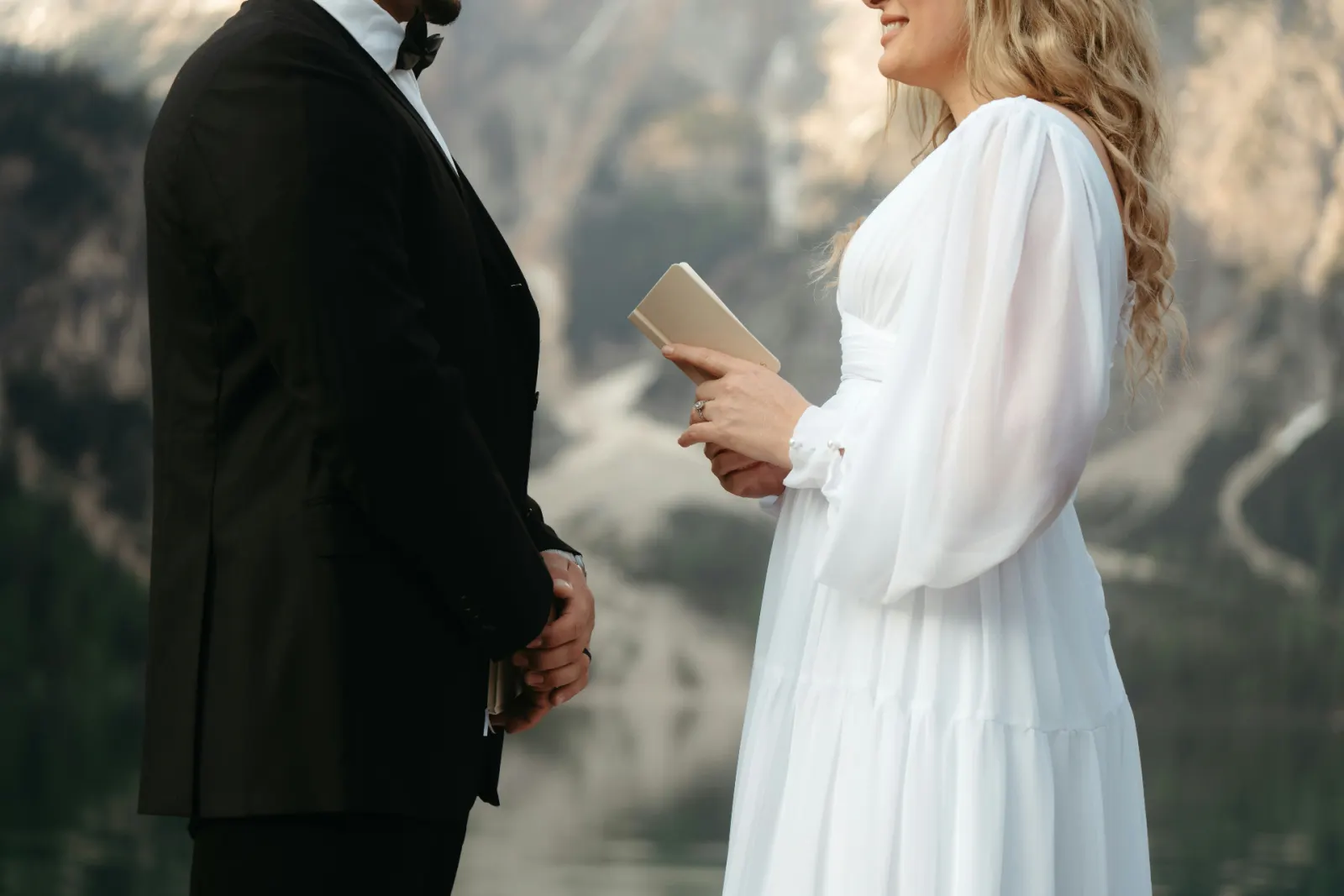
A vow renewal ceremony sits in an unusual emotional category.
It is not a wedding, exactly, even when it borrows some of a wedding's shape. It is not just a party either, even when the mood is relaxed and the guest list is modest and nobody is particularly interested in pretending this is an exercise in bridal tradition. A vow renewal ceremony usually happens because a couple wants to pause, mark something, and say, with a bit more intention than ordinary life tends to allow, that the marriage still deserves a room, a moment, and a few chosen words.
That impulse is easier to understand than people sometimes make it sound.
From the outside, vow renewals can get framed in slightly odd ways. Either they are treated as a grand second wedding, all chiffon and orchestration, or they are treated as something vaguely unnecessary — a nice idea, perhaps, but one that raises the quiet question of whether married people really need another ceremony once they have already had one. Most actual vow renewal ceremonies sit nowhere near either of those extremes. They tend to be smaller, more self-aware, and more emotionally specific than that. They are often less about spectacle than about marking survival, growth, gratitude, family, time, or the fact that a relationship feels different now than it did the first time promises were spoken.
That is really the center of it.
A wedding ceremony begins a marriage. A vow renewal ceremony often reflects on one.
That difference changes the tone. It changes what people wear, what they say, how formal the event feels, and what the ceremony is actually trying to accomplish. It also changes the emotional pressure. A couple renewing their vows is usually not trying to prove they can stage another perfect wedding day. They are much more likely trying to honor the life they have built, acknowledge what they have been through, or gather people they love around something that still matters to them. The ceremony often works best when it remembers that.
This is why the best vow renewal ceremonies usually feel intentional rather than overbuilt. The goal is not to recreate a first wedding with more experience and slightly better tailoring. The goal is to shape a meaningful moment around the marriage as it exists now.
If you are thinking about one, that is the useful starting point.
Need Help Writing Your Vows?
Turn your relationship and ideas into a personalized vow draft.
Try for free
What is a vow renewal ceremony?
A vow renewal ceremony is a symbolic event in which a married couple reaffirms their commitment to each other.
That is the clean definition. In practice, it can look very different from couple to couple.
For some people, a vow renewal is intimate and almost private. Just the two of them, perhaps an officiant, perhaps a beach or a backyard or a place that means something to them. For others, it is a family gathering or anniversary celebration with children, close friends, and a short ceremony before dinner. For others still, it is a larger event that resembles a wedding in shape but not in pressure.
What makes it a vow renewal is not the size or the styling. It is the fact that the couple is already married and is choosing to speak vows again in a ceremonial setting.
That means the event tends to be:
- symbolic rather than legally necessary
- more flexible than a wedding ceremony
- often more personal in tone
- usually less bound by tradition
- easier to adapt to the couple's actual life and preferences
There is no universal script for it, and that is part of the appeal.
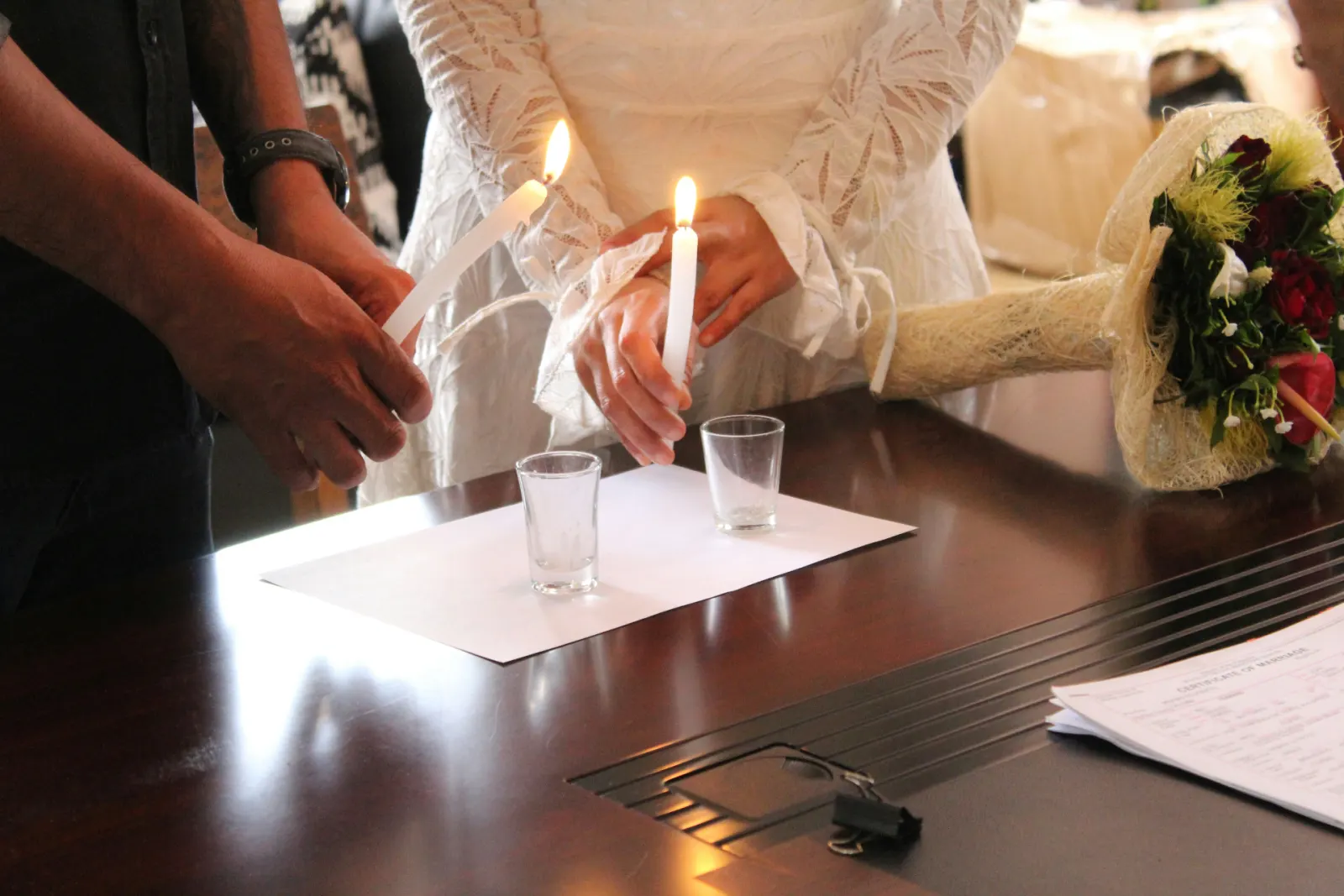
Why do couples have a vow renewal ceremony?
The reasons are often more varied and more human than the internet's neater explanations.
Sometimes it is an anniversary. That is the obvious one, and it remains a very common reason. Ten years, twenty years, twenty-five years — these are natural moments to stop and mark what the marriage has become.
Sometimes it comes after a hard season. Illness, loss, recovery, a major move, a long period of family strain, or simply the accumulated weight of real life can change what vows mean to people. Renewing them can feel less like sentiment and more like clarity.
Sometimes it comes after a first wedding that never quite felt like the ceremony the couple wanted. Maybe the original wedding was tiny, rushed, budget-driven, pandemic-altered, or shaped by circumstances more than preference. A vow renewal can create space for something more personal later.
Sometimes the reason is simpler than any of that. A couple reaches a point where they want to mark the life they have built and gather the people who matter around that fact. That is enough reason.
One of the nicer things about vow renewal ceremonies is that they do not need a dramatic justification. They are allowed to happen because the couple wants a meaningful moment.
When do people renew their vows?
There is no official timeline.
That is one of the first things worth settling, because people often look for a rule where none really exists. There is no required anniversary, no socially approved waiting period, no universal sense that five years is too soon and twenty is the proper number. People renew their vows when it feels right to them.
That said, there are common moments:
- milestone anniversaries
- after a major life event
- after coming through something difficult together
- once children are older and can be part of it
- when they finally have the time, money, or emotional space for a ceremony they actually want
- simply when the marriage has reached a point that feels worth marking
The question is usually less "When are people supposed to do this?" and more "What are we trying to honor?"
Once you know that, the timing gets clearer.
A ten-year vow renewal can feel perfect. So can two years, if the original ceremony was tiny and the couple now wants something fuller. So can thirty years, when the entire emotional texture of the event includes children, grandchildren, long history, and a much more layered understanding of what the first vows turned into.
Is a vow renewal ceremony the same as a wedding?
No, and it usually works better when it does not try too hard to be one.
That does not mean it cannot borrow wedding elements. It often does. There may be an aisle, flowers, music, formal clothes, dinner, photographs, or even a reception-style celebration afterward. Those things are not the issue.
The difference is in the emotional job.
A wedding is about beginning. It carries first-time energy, public declaration, and the specific intensity of a day that is often treated as a milestone in a couple's shared life. A vow renewal is more reflective. It has lived-in energy. It is usually less about anticipation and more about recognition. The couple already has a marriage. The ceremony is acknowledging, honoring, and re-speaking that commitment with the benefit of time.
That distinction changes the tone in helpful ways.
A vow renewal does not usually need:
- bridal-party hierarchy
- full wedding etiquette
- the exact same scale of formal staging
- a recreation of the original ceremony
- pressure to make everything look "wedding enough"
It can be simpler, looser, and more personal. In many cases, it should be.
What happens during a vow renewal ceremony?
Again, this can vary. But most vow renewal ceremonies include some version of the following:
- an opening welcome
- a few words from an officiant, host, or one of the couple
- a reading or short reflection, optionally
- the renewal of vows
- sometimes an exchange or re-exchange of rings
- a kiss or closing blessing
- a toast, meal, or celebration afterward
That is enough for a real ceremony.
The helpful thing about vow renewals is that the ceremony itself can be as light or as involved as the couple wants. Some people want a short, beautiful, ten-minute ceremony and then dinner with family and friends. Others want something more structured and layered. Neither is inherently more meaningful.
The ceremony works best when the shape fits the reason for having it.
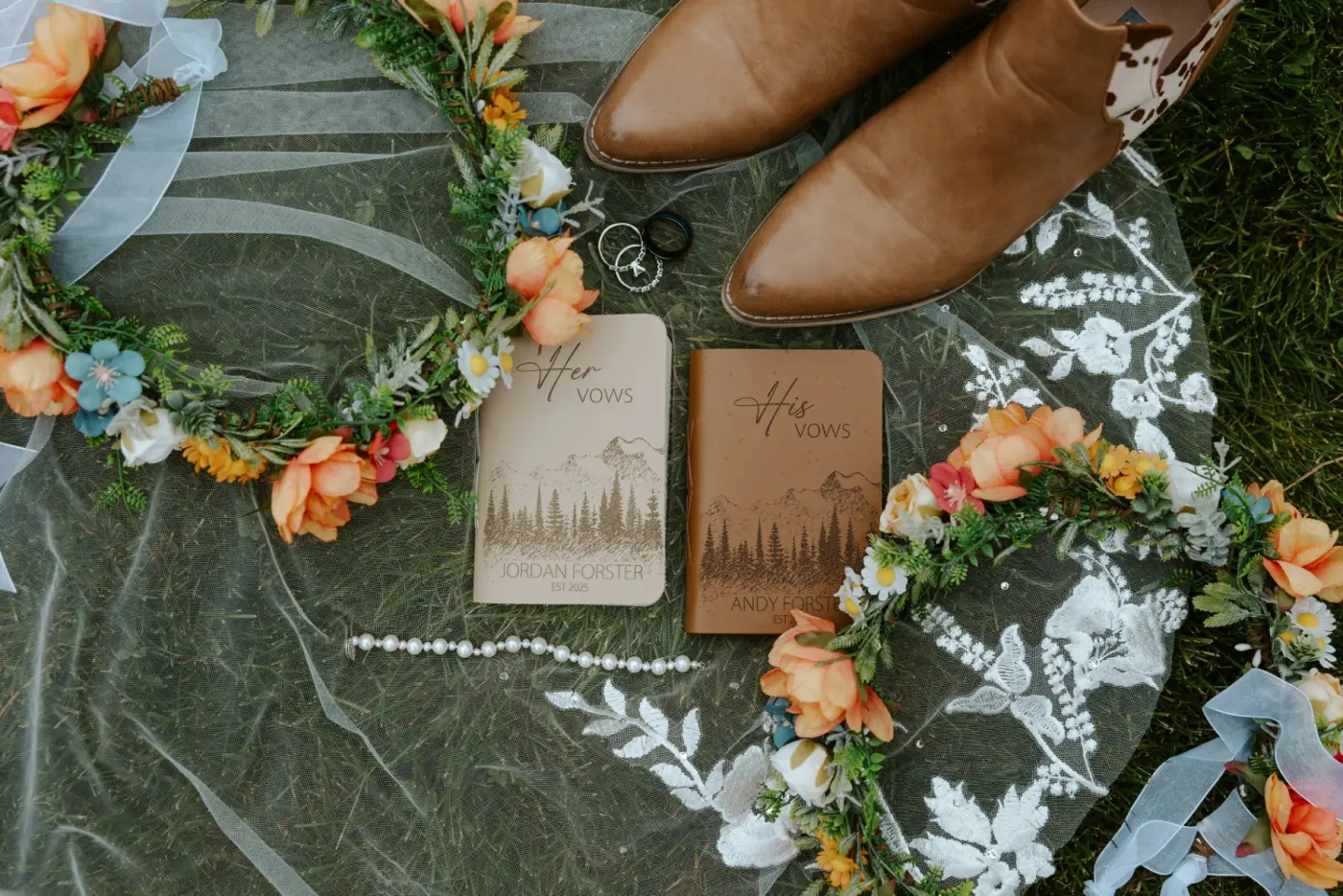
Do you need new vows for a vow renewal ceremony?
Not strictly. But many couples do choose to write new ones.
This is where the page touches the vows-writing lane without turning into a full vows article.
Some couples reuse or lightly adapt their original vows because there is real emotional power in returning to the first language and speaking it again after years of shared life. That can be beautiful, especially if the original wording still feels true and sayable.
Others write entirely new vows because the relationship has changed, deepened, and weathered enough that new language feels more honest. The things people promise after a decade or two decades of marriage often sound different from the things they promised before they had actually lived together through time.
Often the strongest vow-renewal vows are:
- a little more grounded
- a little less idealized
- more specific about what lasting love actually looks like
- more informed by real life
- still tender, but less abstract
If you want classic, familiar wording, something in the spirit of traditional wedding vows can still be useful as a reference point. If you want something more tailored to the life you've already built, Evermore's wedding vows tool can help shape that into something more personal.
Start Your Vows
Answer a few questions and get a vow draft that feels natural and personal.
Try for free
What should a vow renewal ceremony feel like?
This is one of the most useful planning questions, because it helps prevent the event from drifting into a version that looks nice from the outside but feels slightly wrong from the inside.
Possible answers include:
- intimate and quiet
- warm and family-centered
- celebratory and elegant
- simple and meaningful
- relaxed and joyful
- reflective and grateful
- lightly formal, but not wedding-stiff
The best answer is the one that matches the couple's reason for doing it.
If the ceremony is about a long marriage and family life, it may feel right for it to be warm, welcoming, and intergenerational. If it is about reclaiming a ceremony that never quite happened the first time, it may want a little more romance or visual beauty. If it is tied to a private milestone, the tone may want to stay small and emotionally focused.
The mistake is usually trying to satisfy an imagined standard of what vow renewals are supposed to look like. There is much less tradition here to obey than people assume.
Who attends a vow renewal ceremony?
Whoever the couple wants there.
That sounds obvious, but it is worth saying because people often overcomplicate guest logic when a second ceremony is involved. There is no need to mimic the original wedding guest list or balance everything the same way unless the couple genuinely wants that.
Common vow-renewal guest formats include:
- just the couple and an officiant
- immediate family only
- a small group of close family and friends
- a larger anniversary gathering
- a renewed ceremony followed by a party or dinner
Children are often part of vow renewal ceremonies in ways they could not have been at the wedding itself, which can add a lovely layer. The event can feel less like a formal social production and more like a family marker.
What do people wear to a vow renewal ceremony?
Whatever suits the scale and tone of the event.
This is one of the easiest places to overcomplicate things because people start asking whether one is "allowed" to wear white again, whether the husband should wear a suit, whether guests should treat it like a wedding, and whether the whole thing will appear too bridal or not bridal enough.
The real answer is that clothing should fit the ceremony you are actually having.
If it is a formal vow renewal with dinner and a larger guest list, more formal attire may make sense. If it is a small beach ceremony, garden gathering, or anniversary dinner with a short vow renewal folded in, the clothes can be much more relaxed.
What usually works best is not trying to make the clothes prove that the event counts. The event already counts because the couple cares about it.
Do you need an officiant?
Not always, but many couples like having one.
Because the ceremony is symbolic, there is usually more flexibility. Some couples ask a religious leader, celebrant, or officiant to lead the ceremony. Some ask a close friend or family member to say a few words and guide the moment. Some effectively lead it themselves.
The useful question is:
Would another voice help hold the ceremony?
Sometimes the answer is yes, because a third person gives the ceremony shape and allows the couple to stay inside the emotional experience rather than also managing the transitions. Sometimes the answer is no, because the couple wants something small and direct.
Both can work.
What should be included besides vows?
A vow renewal ceremony can include other things, but it does not have to.
Possible additions:
- a short reading
- a blessing
- a family member saying a few words
- a reflection from the couple
- children taking part
- music
- a toast afterward
- a ring exchange
- a memory element, like referencing the original wedding or marriage journey
The helpful principle here is proportion.
Because the event is already symbolic, it does not usually improve by trying to include every conceivable meaningful element. One or two well-chosen additions will usually land better than a whole package of gesture-heavy material.
How formal should the ceremony be?
Usually a little less formal than a wedding, unless the couple actively wants otherwise.
That slight reduction in formality is often what makes vow renewal ceremonies appealing. The pressure is lower. The couple is older into the relationship. The room, if there is a room, is usually there with more emotional context and less interest in perfect pageantry.
Formal can still be beautiful. But the ceremony often lands best when it sounds and feels like the life the couple actually has. That may mean a little less stiffness, a little less orchestration, and a little more ease.
This is one of those occasions where over-formality can make the event feel less meaningful rather than more.
What do people say during a vow renewal ceremony?
Usually some combination of:
- welcome
- gratitude
- reflection
- promise
- acknowledgment of time
- a look forward
The most compelling vow-renewal language often sounds a little different from wedding-day language because it has memory inside it.
It can speak about:
- what the marriage has taught them
- what they are grateful for
- what they have come through
- what they still promise each other
- what love has looked like in actual life, not just in ideal form
That is part of the emotional appeal. Vow-renewal language often has more floor under it. Couples who want a few starting points often find it useful to skim a handful of wedding vows examples before drafting anything of their own.
A simple vow renewal ceremony structure
If you want a clean working model, use this:
- Welcome
- Short introduction or reflection
- Optional reading
- Vow renewal
- Optional ring moment
- Closing words
- Toast or celebration
That is a complete ceremony.
It can be done in ten minutes or expanded slightly depending on the event. It does not need to become elaborate to feel real.
When a vow renewal ceremony feels especially meaningful
Certain vow renewals carry natural emotional weight.
For example:
- an anniversary after years of marriage
- a ceremony after illness, recovery, or a difficult season
- renewing vows with children present
- finally having the ceremony the couple wanted but could not have the first time
- marking a stage of life where the marriage feels newly visible
What gives the ceremony meaning is not only the event itself, but the life around it. That is why these ceremonies often work best when they stay close to the truth of the couple rather than reaching for "special" in a generic way.
Common mistakes people make
A few patterns come up often.
Trying to recreate a first wedding too exactly
Some borrowed elements are lovely. A total recreation can feel like it is answering the wrong emotional question.
Overcomplicating it
Vow renewals tend to get better with clarity.
Underestimating the tone
Because the event is symbolic, a vague or half-committed tone can make it feel adrift.
Writing vows that sound like first-wedding vows
They can be romantic, of course. But the strongest renewal vows often sound slightly more lived-in.
Treating the event like it needs outside permission
It does not.
A useful way to plan one
Start with these questions:
- Why are we doing this now?
- Who do we want there?
- What do we want the ceremony to feel like?
- Do we want new vows?
- Do we want someone to lead it?
- How large or small do we genuinely want it to be?
- What would make it feel meaningful for us, not for an imagined audience?
Once those answers are clear, most of the other choices become easier.
If you want to write personalized vows rather than borrow language wholesale, Evermore can draft personalized vows in three tones based on your story — preview them free before you pay.
Frequently asked questions about vow renewal ceremonies
What is a vow renewal ceremony?
A vow renewal ceremony is a symbolic event where a married couple reaffirms their commitment to each other, often by speaking vows again in front of each other and sometimes in front of family and friends.
When do people renew their vows?
Often on milestone anniversaries, after a major life event, after coming through a difficult period, or simply when they want to mark the marriage in a meaningful way.
Is a vow renewal the same as a wedding?
No. It can borrow wedding elements, but it is usually more reflective, flexible, and symbolic than a first wedding ceremony.
Do you need new vows for a vow renewal?
Not necessarily. Some couples reuse or adapt earlier vows, while others write new ones that reflect the life they have built together. For ideas that lean less traditional, our unique wedding vows examples page is a useful reference for wording that sounds more lived-in.
Who attends a vow renewal ceremony?
That depends entirely on the couple. It can be private, family-only, or include a larger group of friends and loved ones.
Do you need an officiant for a vow renewal ceremony?
No, but many couples like having one. Others ask a friend or family member to guide the ceremony, and some lead it themselves.
Final thoughts
A vow renewal ceremony works best when it remembers what it is actually for.
It is not there to prove the marriage. The marriage already exists. It is not there to recreate youth or perform romance in a louder voice. It is there to make room for acknowledgment.
Time has passed. Life has happened. Promises made once can sound different when spoken again, not because they matter less, but because they now carry history with them. That is the quiet strength of the ceremony.
When couples plan around that truth, the event usually gets better. Smaller, perhaps. Clearer. Less borrowed. More like them.
And that is usually the version worth having.
Create Your Vows Now
See your preview before you pay.
Try for free
Generate Your Wedding Vows Now
See your preview before you pay.
Try for free
Related Articles
Wedding Vows · April 4, 2026
Wedding Vows Examples: Romantic, Short, Funny & Modern
Romantic, short, funny, simple, and modern wedding vows examples, plus a personalizable template and tips for writing vows that actually sound like you.
Wedding Vows · April 4, 2026
How to Write Wedding Vows: The Ultimate Step-by-Step Guide
A complete step-by-step guide to writing wedding vows that are personal, clear, and emotionally honest, with structure, examples, tips, and common mistakes to avoid.
Wedding Vows · April 4, 2026
Wedding Vows for Him: Romantic, Short, Funny & Simple Examples
Romantic, short, funny, and simple wedding vows examples for him, plus a personalizable template and tips for writing vows that actually sound like you.
Wedding Vows · April 5, 2026
Wedding Vows for Her: Romantic, Short, Funny & Simple Examples
Romantic, short, funny, and simple wedding vows examples for her, plus a personalizable template and tips for writing vows that actually sound like you.
Wedding Vows · April 18, 2026
Wedding Vows Template: Fill-in-the-Blank Guide
A practical fill-in-the-blank wedding vows template with section-by-section wording help, short and longer versions, promise lines, and openings and closings you can adapt.
Wedding Vows · May 7, 2026
Traditional Wedding Vows: Wording & Examples
What traditional wedding vows actually say, the classic and lightly modernized wording couples use today, and how to choose the version that fits your ceremony.