Maid of Honor Duties: What the Role Actually Involves Today

By Claire Bennett · Senior Wedding Editor, Evermore
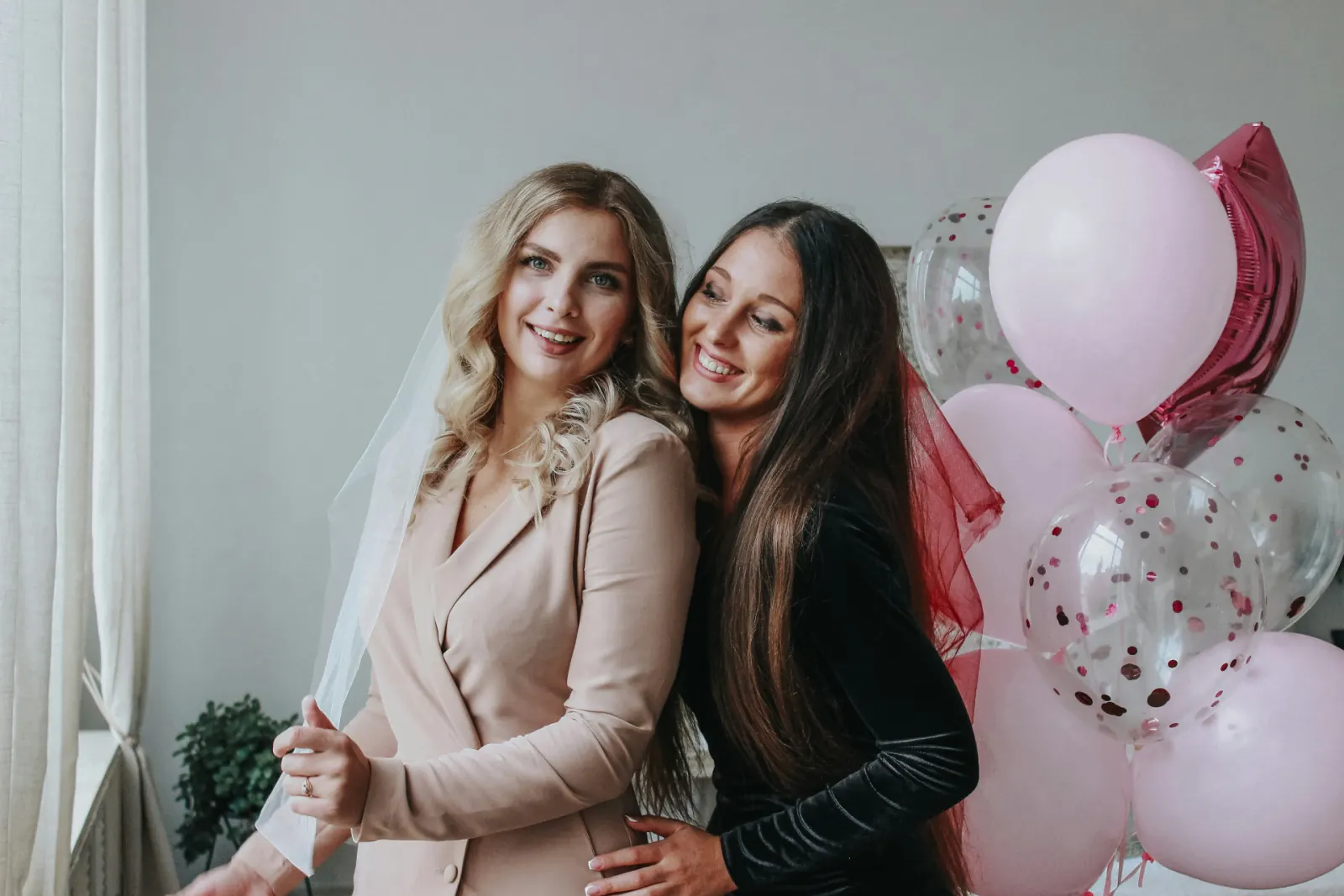
Being asked to be maid of honor still has the power to make a person feel two things almost simultaneously: touched, then mildly alarmed.
The touched part makes sense. It is one of the clearest ways a bride can say, "You are one of my people." The alarm usually arrives a few seconds later, once the title starts dragging a whole internet genre behind it. Suddenly the role sounds less like close friend with a front-row seat and more like event coordinator, group therapist, schedule chaser, dress wrangler, and emergency seamstress with a secondary degree in interpersonal diplomacy.
That version has become weirdly popular online. Every wedding task gets inflated. Every optional tradition starts sounding mandatory. Every useful gesture somehow hardens into an official duty. By the time many people start researching maid of honor responsibilities, they are no longer sure whether they have agreed to support their friend or quietly run a medium-sized organization in heels.
The real version is much saner.
A maid of honor does matter. The role is not decorative. It usually involves a mix of practical support, emotional steadiness, and a handful of visible jobs that help the wedding feel smoother from the inside. It can also vary wildly depending on the bride, the family, the size of the wedding, the budget, the bridesmaids, the distance between everyone's homes, and how much of the planning culture the couple actually wants in their lives. That last part matters more than people admit. Some weddings genuinely need more coordination. Others get made harder by too many people trying to "do the role properly" according to content they found online rather than according to the actual bride standing in front of them.
That is the version worth writing about.
A strong maid of honor is rarely the one doing the most visible labor. More often, she is the person who understands what matters, where she can be genuinely useful, and where the wedding would be better served by less performance and more calm. She keeps the important things moving. She makes the bride feel less alone. She helps the bridal party function like a group instead of a collection of separate weather systems. She knows when to step in, when to text the group, when to carry the lipstick, when to tell someone to breathe, and when to stop treating every small wedding glitch as a plot twist.
That is a real role.
It is also enough.
Need Help Writing the Maid of Honor Speech?
Get a personalized draft based on your friendship, memories, and tone.
Try for free
What a maid of honor actually does
At the most basic level, a maid of honor is the bride's main support person within the wedding party.
That support can include:
- helping with communication
- being present for key planning moments
- helping organize or coordinate pre-wedding events
- keeping the bridesmaids roughly aligned
- helping the wedding day run more smoothly
- giving a speech, if the couple wants one
What matters is that these responsibilities are not all equal, and they are not all mandatory in every wedding.
Some maid of honor duties are almost universal. Some are highly conditional. Some are nice extras when time, money, and energy allow. Some are internet inventions that have become oddly sticky because weddings attract a special kind of anxious over-specification. The trick is knowing which is which.
A useful way to think about the role is this: the maid of honor is usually there to make things lighter for the bride, clearer for the group, and steadier in moments where weddings have a tendency to become more emotional or more chaotic than expected. That is a much better working definition than any oversized checklist pretending the role is the same in every friendship, every city, every budget, and every family.
The duties that matter most
If you strip the role back to the parts that genuinely matter in most weddings, the list gets more realistic very quickly.
Be a reliable point of support
This sounds soft, but it is actually one of the most practical parts of the role.
The bride often needs someone she can ask:
- What do you think?
- Can you text the group?
- Is this weird?
- Can you come with me?
- Can you just tell me if I'm overthinking this?
That sort of support can look emotional, logistical, or somewhere in between. Often it is both. A good maid of honor absorbs a little of the static around the wedding. She gives the bride one stable place to land.
That does not mean being on call every waking hour. It means being the person who can be counted on for the moments that actually matter.
Help keep the bridesmaids moving in roughly the same direction
This is one of the less glamorous duties and one of the more real ones.
In many weddings, the maid of honor becomes the practical bridge between the bride and the rest of the bridal party. That can include:
- passing along updates
- clarifying timelines
- answering smaller questions so the bride does not have to
- nudging people when necessary
- helping prevent minor miscommunications from becoming morale problems
This is where the role starts to look more useful than symbolic. It does not mean acting like a manager with a whistle. It does mean helping the group function.
Some bridal parties are easy. Everyone responds, everyone pays on time, everyone understands the assignment, nobody develops a last-minute philosophical stance against matching pajamas. Other groups are less serene. In those cases, the maid of honor often becomes the person doing the quiet administrative smoothing that keeps the bride from spending her engagement chasing small things she should not have to chase herself.
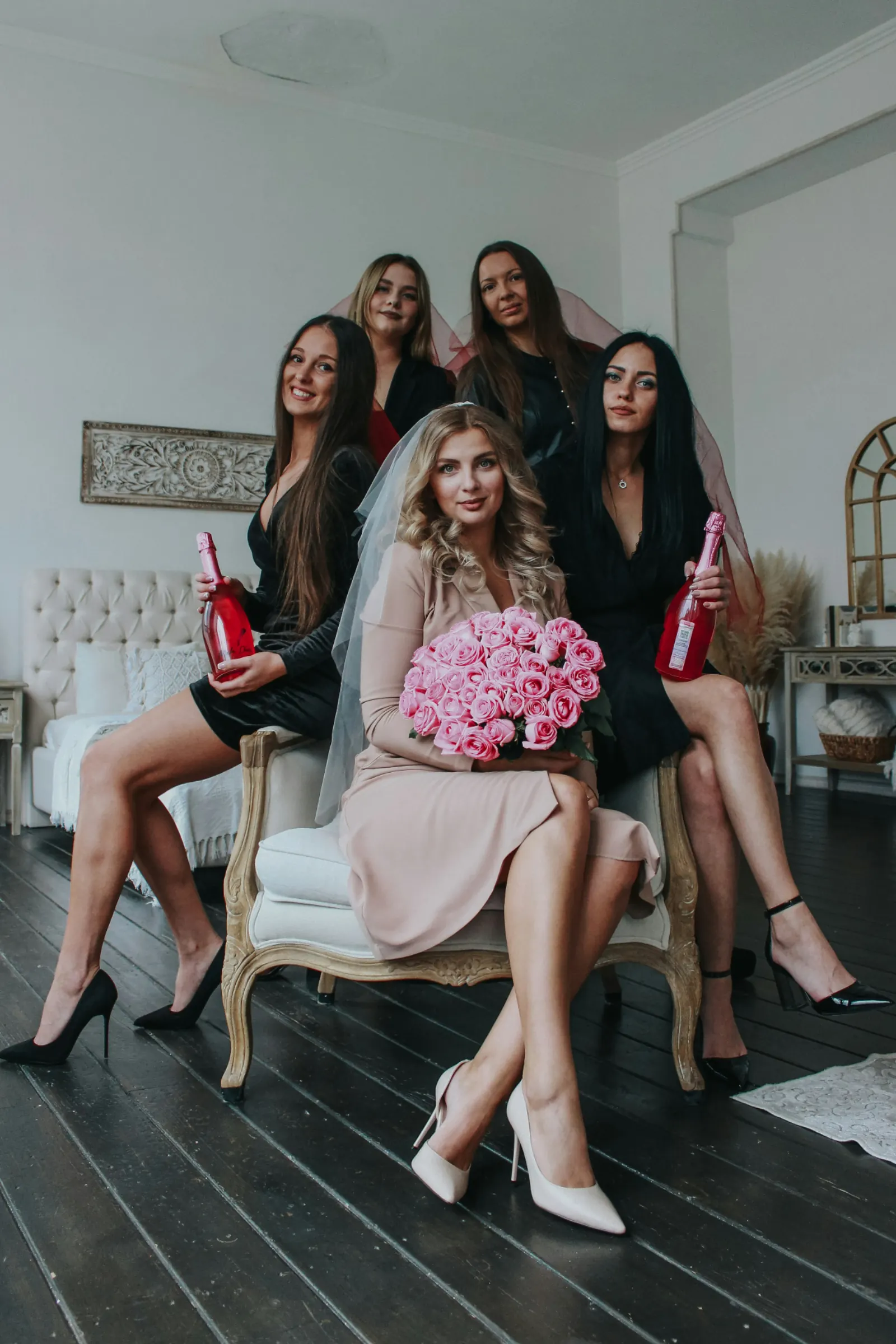
Show up for key pre-wedding moments
Exactly which moments matter will vary, but in many weddings the maid of honor is more involved than other bridesmaids in the lead-up.
That might include:
- dress shopping
- beauty trials
- planning conversations
- venue visits, occasionally
- bridal shower support
- bachelorette planning or coordination
- rehearsal attendance
This is not a command to attend everything automatically. It is a recognition that the maid of honor is usually one of the people closest to the center of the process. If the bride wants you there, being present matters.
There is, however, a difference between showing up meaningfully and becoming trapped in every wedding-adjacent errand because the internet likes to confuse devotion with infinite availability.
Be especially useful on the wedding day
This is probably the point in the process when the role matters most in an obvious way.
A wedding day creates many little needs:
- timing questions
- missing items
- family interruptions
- dress issues
- emotional spikes
- awkward handoffs
- someone asking the bride something she absolutely does not need to be answering while half-dressed and holding mascara
A good maid of honor catches some of that before it becomes the bride's problem.
Give the maid of honor speech, if that is part of the plan
For many people, this is the most visible maid of honor duty because it is public, memorable, and frequently feared.
It matters. It just is not the whole role.
If the speech is part of the reception, it deserves real attention because it usually becomes one of the emotional anchors of the night. If you are staring at that part of the job with growing unease, it is worth handling properly. A strong maid of honor speech usually sounds warm, specific, and easy to say aloud — which is much harder to improvise at the last minute than people like to pretend.
What is traditional, and what is more modern now
A lot of confusion about maid of honor duties comes from older expectations colliding with the way weddings actually work now.
Traditionally, the maid of honor was expected to:
- stand beside the bride during the ceremony
- help coordinate bridesmaids
- assist with attire and wedding-day logistics
- help host or support pre-wedding events
- give a speech
- sometimes sign the marriage license as a witness, where relevant
That traditional framework still exists. But modern weddings have stretched it in different directions.
Now, depending on the couple, the maid of honor may be:
- a sister
- a best friend
- a brother in a best-woman role
- one of two maids of honor
- one close person among several equally important people
- a role with light responsibilities
- or a role with heavier involvement because the bride genuinely wants that
Modern weddings also tend to be:
- more collaborative
- less rigidly gendered
- less interested in ceremony-for-ceremony's-sake
- more shaped by personality, budget, and relationship dynamics
That means the right maid of honor role now is usually the one that fits the wedding, not the one that most aggressively imitates old expectations.
The most overrated maid of honor duties online
This is where it helps to be a little skeptical.
Some duties are real. Some are internet inflation.
A few things that are often overstated:
Being responsible for every pre-wedding event
A maid of honor may help host a bridal shower or bachelorette. She may even lead those efforts in some weddings. But many showers are hosted by family, and many bachelorettes are planned collaboratively by the bridesmaids or the bride's wider circle. There is no law of the universe stating that the maid of honor must personally carry every event uphill.
Becoming the bride's only emotional outlet
Support matters. Being kind matters. Listening matters. Becoming the exclusive emotional processing center for every wedding anxiety does not usually help anybody.
Running the entire wedding day
The maid of honor is often very useful on the wedding day. That is different from running the event. There may be a planner, coordinator, venue staff, family, or other people handling logistics. A lot of online advice quietly assumes no one else exists.
Carrying a cinematic emergency kit
A few useful items? Smart.
A tote that suggests you are preparing for weather, injury, and power loss? Usually unnecessary.
Looking visibly indispensable at all times
This one is subtle, but it causes a lot of self-imposed stress. Some people feel they need to seem constantly active to be "good" at the role. Often the most useful maid of honor is the one who is calm, present, and not making a theater piece out of being helpful.
What the role looks like before the wedding
This is where many of the real responsibilities live, even if they are less glamorous than the speech or the ceremony photos.
Communication support
The maid of honor often becomes the person who helps keep communication from turning sloppy.
That may mean:
- relaying information from the bride
- clarifying plans
- answering bridesmaid questions
- following up when someone has missed a message
- helping group chats remain functional instead of drifting into twenty-three unread jokes and one hidden scheduling crisis
This kind of support is not especially romantic. It is extremely useful.
Helping the bride think clearly
The bride may need opinions, reassurance, or just one honest person who can answer a question without turning it into a new emotional subplot.
That can include:
- dress thoughts
- timing decisions
- people dilemmas
- beauty choices
- what actually matters versus what wedding culture is merely shouting about
This part of the role often gets overlooked because it looks like conversation. It can be one of the most valuable things the maid of honor does.
Supporting pre-wedding events
If there is a bridal shower, bachelorette, rehearsal dinner presence, or other event, the maid of honor may help:
- plan it
- coordinate it
- keep it on budget
- make sure it still resembles the bride
- stop it from becoming somebody else's fantasy of "what women do before weddings"
That last part is important. Many of the worst pre-wedding events are not failures of effort. They are failures of fit. A good maid of honor often protects the bride from celebrations that are technically elaborate and emotionally off.
Keeping the bridal party coordinated
Even simple weddings generate little group-level tasks:
- who is booking what
- when is the fitting
- what are people wearing
- where are people staying
- what time is everyone meant to be where
The maid of honor does not have to personally solve every one of those things. But she is often the person most likely to notice when they are quietly becoming the bride's problem.
Start Your Maid of Honor Speech
Answer a few questions and get a speech draft that feels natural to say out loud.
Try for free
What the role looks like on the wedding day
This is when the maid of honor's value becomes very visible very quickly.
Stay calm
This sounds obvious. It is not easy.
The bride does not need another spinning satellite on the wedding morning. She needs someone who can keep the energy grounded. That does not require a fake zen personality. It usually means:
- being practical
- being kind
- being unpanicked by small disruptions
- knowing which details matter and which do not
Calm is contagious in a wedding suite. So is nerves. Choose accordingly.
Help with getting ready
This may include:
- helping with the dress
- keeping key items nearby
- helping manage timing
- making sure what needs to leave for the ceremony actually leaves for the ceremony
- acting as the person who can answer smaller questions while the bride focuses on getting ready
Run interference where useful
One of the most underrated wedding-day maid of honor duties is answering the right questions before they reach the bride.
That might mean:
- fielding a bridesmaid question
- handling a family member's timing issue
- finding the lipstick
- checking where the bouquet is
- gently redirecting someone who has chosen the wrong moment for an involved conversation
This is where the role becomes quietly powerful. A lot of useful support never makes it into the photos.
Be present for ceremony moments
Depending on the wedding, that may include:
- walking in the processional
- holding the bouquet
- adjusting the train or veil
- standing beside the bride
- signing paperwork if needed
- making sure the bride has what she needs at the right moment
The role here is not dramatic. It is attentive.
Help the reception stay smooth
By this point, the maid of honor has usually already done a lot. Reception support may include:
- helping the bride transition into that part of the evening
- checking on her before the speech
- keeping an eye on timing
- helping if anything small needs handling
- giving the speech itself
The maid of honor speech, realistically
The speech often gets oversized in people's minds because it is public and emotionally exposed.
It is important. It is also just one part of the role.
What tends to matter most in a maid of honor speech is not grandeur but judgment. The speech usually works best when it:
- sounds like the maid of honor
- says something specific about the bride
- includes the partner naturally
- stays warm without becoming private chaos
- feels edited
If you are stuck on tone, reading a few maid of honor speech examples can help you hear the difference between something that sounds personal and something that just sounds vaguely wedding-shaped. And if you want a step-by-step process for building one from scratch, our guide to how to write a maid of honor speech walks through it section by section.
The larger point here is that the speech belongs in the duties conversation because it is often one of the most visible things the maid of honor will do. It just should not eclipse everything else.
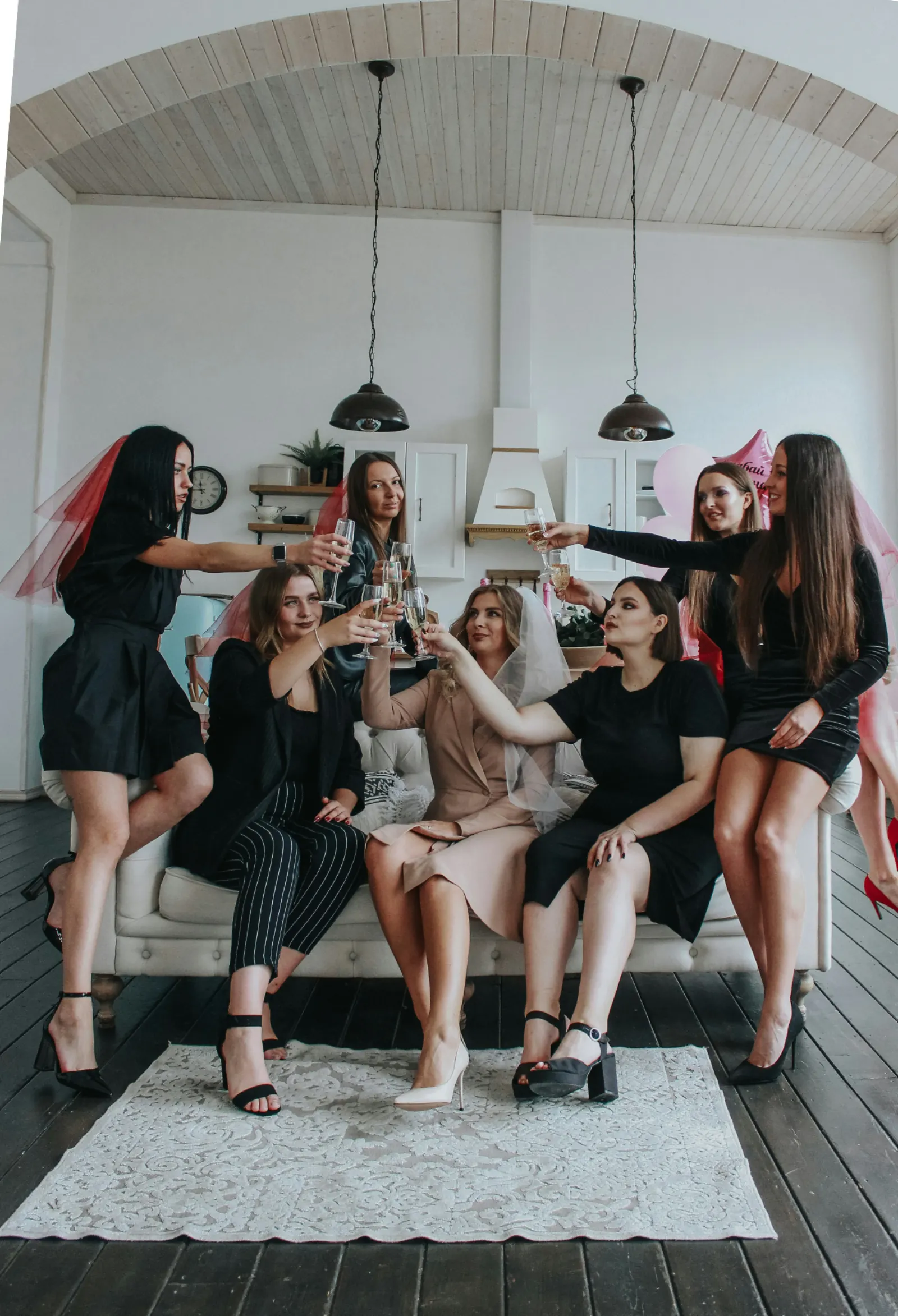
What is optional
This is where many people can breathe a little.
Not every possible maid of honor task is required. A lot depends on:
- the wedding
- the budget
- the bride
- the relationship
- geography
- your actual life
Things that are often optional or negotiable:
- attending every single appointment
- planning all pre-wedding events alone
- paying for more than has been discussed
- being the automatic person for every family issue
- handling all vendor questions
- manufacturing Pinterest-level extras nobody asked for
- becoming the default fixer of every inconvenience within a ten-mile radius
A healthy maid of honor role usually has boundaries, even if nobody uses that exact word while discussing centerpieces.
How to actually be good at the role
This is where the internet often gets strangely vague. "Be supportive" is true but not especially operational.
A few things make a real difference:
Clarify expectations early
Ask the bride:
- what matters most to her
- what she actually wants help with
- what kind of support would feel useful
- what is already handled
- where she wants you to take initiative
- what she really does not care about
This solves more confusion than any checklist.
Be dependable where it counts
You do not have to be infinite. You do need to be dependable.
That usually means:
- replying
- following through
- showing up when it matters
- not creating extra unpredictability
- not making the bride manage you while she is planning a wedding
Keep things from becoming bigger than they need to be
This is a major skill.
A lot of wedding stress comes from escalation. A small issue becomes a group issue. A group issue becomes a tone issue. A tone issue becomes a friendship issue. A good maid of honor often helps by keeping things in their actual size.
Stay kind without becoming swallowed
You are part of the wedding, not a resource to be mined until the confetti settles. Support works best when it is sustainable.
Treat the bride like a person, not a project
This sounds obvious. Wedding culture can make it less obvious in practice.
Maid of honor duties if you are a sister
A sister maid of honor often brings a different kind of support.
There may be:
- more family context
- more built-in authority with relatives
- more assumptions from parents
- more history, for better or worse
- slightly less need to "get to know" the bride, because you already know her in a different way
That can be useful. It can also mean the role gets loaded with more responsibility than anyone consciously assigned.
If you are the bride's sister and maid of honor, it helps to distinguish between:
- what is genuinely your role
- what family members are simply assuming you will handle because they have known you the longest
Those are not always the same thing.
Maid of honor duties if you are a best friend
A best-friend maid of honor often brings:
- emotional closeness
- easier honesty
- a good read on the bride's taste and stress
- strong social-event instincts
- more natural ground for the speech
The risk here is less family overload and more emotional over-availability. Best friends are often the people brides talk to most. That is a gift. It is also why setting a few sane expectations early can save everyone from low-grade stress later.
Smaller weddings, modern weddings, destination weddings
The role should fit the actual wedding.
Smaller weddings
Often need less formal coordination, fewer events, and lighter management.
Modern weddings
May split roles more flexibly, include multiple people, or care less about traditional hierarchy.
Destination weddings
Can shift the job toward travel coordination, presence, and wedding-week logistics rather than a long local planning arc.
Nontraditional weddings
May have chosen-family dynamics, mixed-gender wedding parties, or role structures that do not fit old etiquette models.
The smartest maid of honor is not the one following an imaginary universal script. It is the one reading the actual wedding accurately.
The duties that brides usually care about most
If you reduce the role to what many brides genuinely feel grateful for, the list is not that dramatic.
Usually:
- someone steady
- someone responsive
- someone kind
- someone who can help the bridal party function
- someone who can take a little pressure out of key moments
- someone who understands her well enough to be useful without needing constant instruction
Very few brides are later glowing because the maid of honor created the most elaborate spreadsheet of all time. They are more often grateful because:
- she made the process feel easier
- she did not add chaos
- she understood the tone
- she was there when it mattered
- she helped the day feel held
That is a very different success metric from "did everything."
A realistic maid of honor checklist
If you want the shortest usable version, it is this.
Before the wedding
- talk through expectations with the bride
- help coordinate bridesmaids where needed
- support key planning moments or events
- keep communication clean
- start the speech in good time if one is expected
Around the wedding
- help keep the bride calm and supported
- assist with getting ready
- handle small practical issues before they grow
- stay close enough to help, not so close that you hover
- keep the room around the bride functioning
At the reception
- support the bride through transitions
- give the speech if part of the plan
- keep an eye on anything small that needs smoothing
- enjoy the wedding like a person who has done her job, not a staff member afraid to sit down
That is enough. More than enough, in many cases.
If you are overwhelmed by the role
That feeling is common. It does not usually mean you are unsuited to the role. It often means you have read too much wedding content written as if every role must be performed at maximum intensity.
A better approach:
- ask what actually matters
- identify the top priorities
- let optional things stay optional
- share responsibilities where sensible
- be steady rather than spectacular
- remember that support is usually felt most clearly in the moments that stay small
And if the part causing the most dread is the public one, handle the speech early rather than letting it sit in the background turning radioactive. If it helps to start somewhere broader than the maid of honor lane, our wedding speech generator can be a useful starting point.
Frequently asked questions about maid of honor duties
What are the main maid of honor duties?
Usually supporting the bride, helping coordinate the bridesmaids, being present for key pre-wedding and wedding-day moments, and giving the maid of honor speech if expected.
Is the maid of honor supposed to plan the bachelorette party?
Often she helps plan or coordinate it, but this varies a lot by group and should not automatically become a solo burden.
Does the maid of honor have to give a speech?
Often yes, but not always. It depends on the couple and how the reception is structured.
Is the maid of honor responsible for the bridal shower?
Sometimes, especially with help from family or bridesmaids, but this is not a universal one-person duty.
Can a maid of honor say no to certain responsibilities?
Yes. A good role depends on realistic expectations, not automatic overextension.
What matters most in being a good maid of honor?
Reliability, calm, kindness, communication, and good judgment usually matter more than doing everything possible.
Final thoughts
The maid of honor role has a way of attracting too much mythology.
Stripped back to its useful form, it is not mythology at all. It is trust.
The bride is choosing someone she believes will help her feel steadier, more supported, and less alone inside a day that can become surprisingly loud with logistics, emotion, opinion, and expectation. Some of that support is visible. Some of it is administrative. Some of it is emotional. Some of it is just being the person who knows which things deserve attention and which things deserve to be let go.
That is the real role.
It is substantial.
It is human.
It does not need embellishing.
And when it comes time for the speech, that part of the job does not need to become a last-minute act of faith either.
Need help with the maid of honor speech?
If the speech is the part you are dreading most, Evermore can help.
With Evermore, you can:
- answer a few thoughtful questions
- choose your tone
- get a personalized maid of honor speech draft
- revise until it feels right
- preview it before you pay
It is the easiest way to turn one of the most visible maid of honor duties into something you would genuinely feel good saying.
Create Your Maid of Honor Speech
See your preview before you pay.
Try for free
Related Articles
Maid of Honor Speeches · April 10, 2026
Maid of Honor Speech Examples: Funny, Short & Heartfelt
Funny, short, and heartfelt maid of honor speech examples plus toast ideas, opening and closing lines, and tips for making it personal.
Maid of Honor Speeches · May 9, 2026
Maid of Honor Speech for Sister: Examples
Maid of honor speech for sister examples that balance sibling history, family tone, and a speech that still lands in the room.
Maid of Honor Speeches · April 10, 2026
How to Write a Maid of Honor Speech: Ultimate Step-by-Step Guide
A complete step-by-step guide to writing a maid of honor speech. Learn the best structure, what to include, what to avoid, and how to deliver it confidently.
Maid of Honor · April 18, 2026
Maid of Honor Speech Template: Fill-in-the-Blank
A practical fill-in-the-blank maid of honor speech template with section-by-section wording help, short and longer versions, toast lines, and lines to borrow when you are stuck.
Wedding Speeches · May 7, 2026
Order of Speeches at a Wedding: Who Speaks First
A planning guide to wedding speech order — who usually speaks, the traditional lineup, modern variations, and how to build a sequence that actually works in the room.