How to Write a Mother of the Groom Speech: Ultimate Step-by-Step Guide

By Claire Bennett · Senior Wedding Editor, Evermore

Writing a mother of the groom speech can be harder than people expect.
Not because there is nothing to say.
Usually the opposite.
There is too much to say, and most of it does not fit neatly into a few minutes at a wedding microphone.
You are not only looking at your son as he is now. You are often looking at several versions of him at once. The child you raised. The teenager who tested your patience. The adult who slowly became his own person. And now, on this day, the man standing beside the person he has chosen, stepping into marriage with a life that is fully his.
That is what makes this role emotional in such a specific way.
A mother of the groom speech is not just a general parent speech. It has its own emotional weather. It can hold pride, tenderness, humor, memory, gratitude, and the quiet adjustment of realizing that your son is no longer only your son. He is now also someone's partner, someone's husband, someone beginning a new household that is not centered around you.
That can be beautiful. It can also make writing feel unexpectedly complicated.
For many mothers, the hard part is not feeling the right things. It is knowing how to shape those feelings into a speech that sounds calm, generous, polished, and true without becoming rambling, overly sentimental, cliché, or generic.
The good news is that a strong mother of the groom speech does not require perfect words.
It requires:
- the right tone
- the right perspective
- the right level of specificity
- and enough structure to keep the speech from drifting
That is what this guide will help you do.
In this article, you will learn:
- what a mother of the groom speech should include
- how long it should be
- how to find the right tone
- how to choose the right stories
- how to avoid common clichés and mistakes
- how to write with warmth without sounding overly nostalgic
- how to welcome your son's partner naturally
- how to edit for spoken delivery
- and how to deliver the speech with confidence
This is not an examples page. It is not a fill-in-the-blank template page. If you want a ready-made mother of the groom speech template, we have one of those too. It is a true step-by-step writing guide.
If you want help actually figuring out what to say and how to say it well, this is the page for that.
If you would rather see full written examples first, start with our mother of the groom speech examples.
Start Your Mother of the Groom Speech
Answer a few questions and get a personalized mother of the groom speech in minutes.
Try for free
"A mother of the groom speech is the one place where the shift — from raising him to releasing him — can be said out loud. Most mothers underestimate how much the room wants to hear that." — Claire Bennett, Senior Wedding Editor at Evermore
What should a mother of the groom speech include?
A strong mother of the groom speech usually includes:
- a warm welcome
- a few meaningful words about your son
- one or two observations, reflections, or brief stories
- a warm acknowledgment of the partner
- something about the couple together
- and a clear toast
That is enough.
In fact, that is usually more than enough.
One of the biggest traps in this role is thinking the speech should contain everything you feel. It cannot. And it does not need to.
A wedding speech is not a memoir. It is not a full family history. It is not a record of every proud moment from your son's life.
It is a shaped moment.
Its job is to:
- honor him
- welcome the marriage
- let the room feel your love
- and leave everyone with a sense of warmth and forward motion
That last part matters.
A mother of the groom speech works best when it does not get trapped entirely in the past. It should absolutely draw from history, but it should still feel like a speech about this marriage and this chapter, not just a speech about raising a son.
How long should a mother of the groom speech be?
Most strong mother of the groom speeches are around 4 to 6 minutes long.
That is usually:
- about 500 to 900 words
Some wonderful speeches are shorter than that.
Very few need to be longer.
This role especially can become too long because mothers often have decades of memories to choose from. But the emotional truth is that more material does not automatically make a speech more meaningful. In fact, the longer a parent speech gets, the more likely it is to start losing shape.
A strong speech feels:
- personal
- focused
- emotionally clear
- and slightly restrained
That restraint is part of what makes it elegant.
If you are unsure, aim for:
- around 650 to 750 words
That range tends to land best.
What makes this role different from other wedding speeches?
This matters because many wedding speech guides flatten all roles into one generic formula.
A mother of the groom speech usually lands differently from:
- a best man speech
- a maid of honor speech
- a father of the bride speech
- even a mother of the bride speech
Why?
Because the emotional center is different.
This role often carries:
- a quieter kind of pride
- a more reflective tone
- the feeling of seeing your son not just as your child, but as a grown man choosing partnership
- and the challenge of speaking warmly without sounding like you are holding too tightly to the past
In other words, this role often works best when it sounds steady.
Not cold, not stiff, not overly formal — just steady.
Like someone who knows her son deeply, loves him completely, and is able to stand up and bless this next chapter with generosity.
That is a very different energy from a joke-heavy best man speech or a speech centered on sisterhood or friendship.
Step 1: Decide what emotional tone actually fits you
Before you write a single line, decide what you want the speech to feel like.
Not what you think wedding speeches are supposed to sound like. What actually fits:
- you
- your son
- your family
- and the wedding itself
A mother of the groom speech usually works best in one of these modes:
Warm and classic
Good if:
- you want elegance
- you like traditional weddings
- you are not naturally jokey
- you want the speech to feel timeless
Light and gently funny
Good if:
- humor is part of your family dynamic
- your son would hate anything too serious
- you want the room to relax early
Deeply heartfelt
Good if:
- your family is openly emotional
- you are comfortable being vulnerable
- the wedding tone is intimate and sincere
Short and simple
Good if:
- you are nervous about public speaking
- you tend to get emotional
- your son values understatement
You can blend these tones, but one should lead.
A common mistake is trying to do all of them at once: funny, poetic, nostalgic, formal, deeply emotional.
That usually makes the speech feel confused.
Step 2: Figure out what your speech is really about
This is one of the most useful questions you can ask before you draft anything:
What is the deepest true thing I want this speech to communicate?
Not the topic. The heart of it.
Examples:
- I want him to know how proud I am of the man he has become.
- I want his partner to feel fully welcomed.
- I want the room to feel the steadiness and goodness in their relationship.
- I want to honor this moment without turning it into a tearful life summary.
- I want to bless this next chapter more than I want to relive the last one.
That central truth becomes your anchor.
It helps you decide:
- what stories fit
- what tone makes sense
- what to cut
- what to emphasize
Without that anchor, speeches often become a pile of nice but disconnected thoughts.
Step 3: Brainstorm before you draft
Do not start by trying to write polished sentences.
Start by gathering material.
Take 20 to 30 minutes and answer these questions in rough notes.
About your son
- What has always been true about him?
- What qualities have become stronger with age?
- What do people who love him feel around him?
- What makes you genuinely proud of the man he is now?
About your relationship
- What is distinctive about your mother-son bond?
- What moments still feel meaningful?
- What do you understand about him now that you did not earlier?
About his partner
- What do you appreciate about them?
- What makes you feel peaceful or happy about this marriage?
- How do they bring out something good in him?
About the couple
- What do you notice when they are together?
- What kind of life do you imagine them building?
- What feels especially strong or beautiful in the relationship?
At this stage, do not censor yourself too much. You are not writing the speech yet. You are collecting truth.
Step 4: Choose one or two stories, not five
This is one of the biggest places people go wrong.
A mother of the groom speech should not become:
- a full childhood timeline
- a greatest-hits montage
- a family-only nostalgia trip
The strongest speeches usually include:
- one main story or
- two short moments
And those stories should do something.
They should reveal:
- a quality
- a pattern
- a piece of character
- a meaningful shift
Good story choices:
- a small moment that shows his generosity
- a memory that reveals his loyalty, humor, or steadiness
- a reflection that connects who he was to who he is now
Less effective story choices:
- stories that need too much explanation
- stories that embarrass him
- stories that only make sense to immediate family
- stories chosen only because they are old, not because they are revealing
The best stories are often smaller than people think.
A quiet detail can land harder than a dramatic anecdote.
Create Your Mother of the Groom Speech
Get a personalized draft based on your relationship, memories, and tone.
Try for free
Step 5: Avoid the most common mother-of-the-groom cliché
This role has one especially common trap: turning the speech into a sentimental speech about your "little boy."
There is nothing wrong with tenderness. There is nothing wrong with memory. But if the whole speech leans on that language, it can feel off.
Why?
Because this day is not just about who he was. It is about who he is.
A stronger emotional frame is:
- not "I cannot believe my little boy is getting married"
- but "I feel lucky to have watched him become this man"
That shift matters.
It sounds more grounded. More respectful. More adult. More appropriate to the moment.
It also makes the speech more generous to the partner and the marriage.
Step 6: Build a simple structure
Once you have your raw material, build the speech in a simple order.
A good mother of the groom speech structure usually looks like this:
1. Welcome everyone
Thank the guests and set the tone.
2. Introduce your role
A brief acknowledgment that you are the groom's mother.
3. Say what kind of man your son is now
This is the emotional center.
4. Add one story or reflection
Choose a moment or insight that reveals his character.
5. Welcome the partner
This part matters a lot. It should feel sincere, not tacked on.
6. Say something hopeful about the couple
Bring the speech into the present and the future.
7. End with a toast
Land clearly and confidently.
Simple structures usually lead to stronger speeches because they prevent rambling.
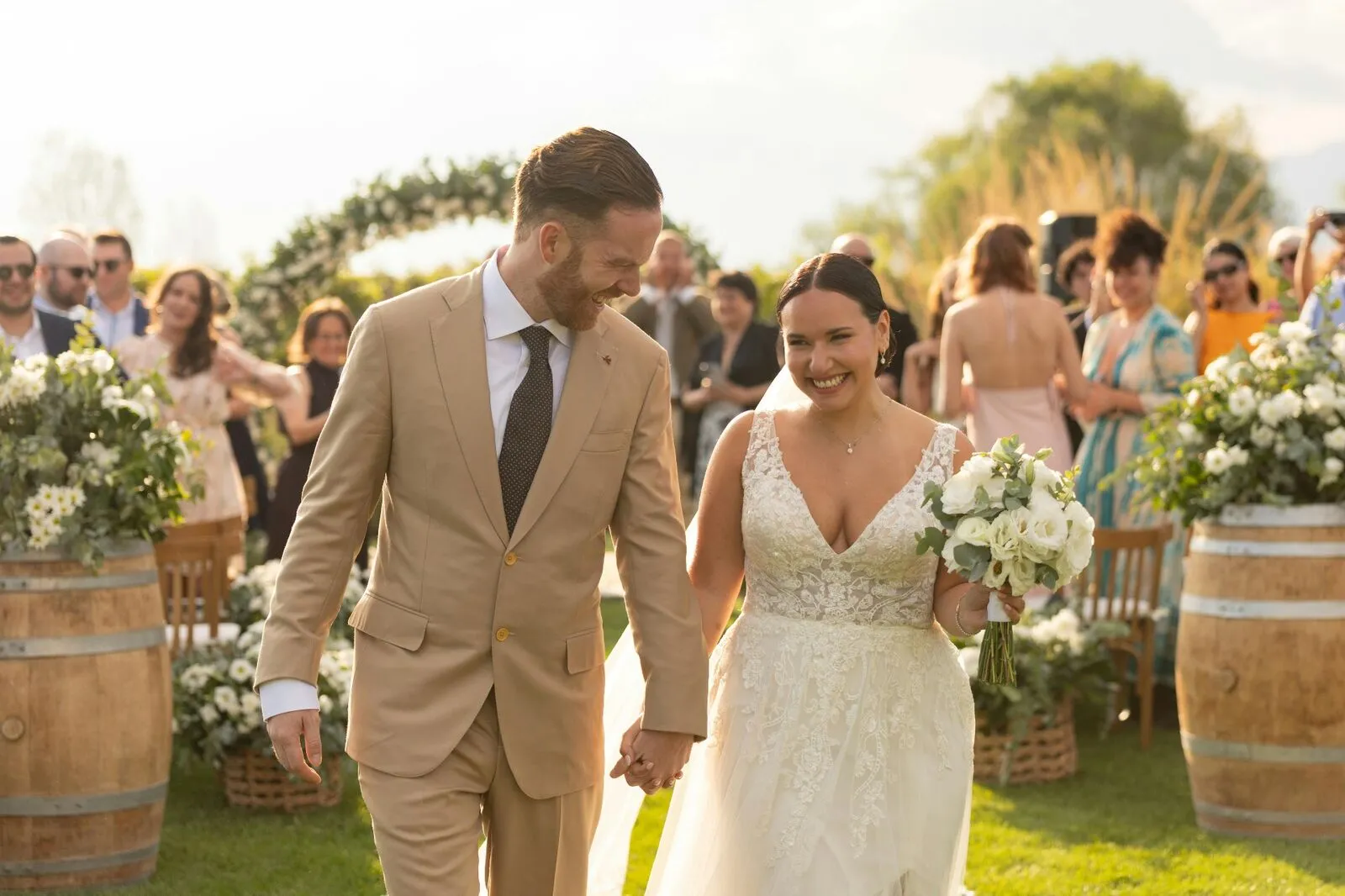
Step 7: Write about your son as he is now, not just who he was
This is one of the most important differences in this role.
When writing about your son, try to focus on:
- what kind of man he is
- what qualities have stayed with him
- what traits matured over time
- what you admire now
A lot of weaker speeches stay too long in early memories. That makes the speech feel backward-looking.
A stronger approach is:
- use one memory from the past
- then connect it to who he is now
For example: Instead of only saying he was always protective as a child, connect that to how he cares for people now. Instead of only saying he was funny as a boy, connect that to how he lightens a room now.
That is what makes the speech feel adult and present.
Step 8: Welcome the partner in a way that feels generous, not generic
A lot of parent speeches get vague here.
They say:
- "welcome to the family"
- "we are so happy to have you"
- "you are perfect together"
Those lines are fine. But they become more meaningful if you make them more specific.
Try asking:
- What do I genuinely appreciate about this person?
- How have I seen them love my son?
- What quality do they bring into his life?
- What makes me feel genuinely happy about this marriage?
That often leads to better lines, such as:
- You bring a steadiness to him that is beautiful to see.
- One of the things I appreciate most is how fully understood he seems with you.
- It means so much to see him loved with such warmth and care.
- Watching the two of you together makes it very easy to understand why this marriage feels so right.
That kind of specificity makes the partner feel:
- truly seen
- not just politely included
Step 9: Make it personal without sounding generic
This is where many wedding speeches start to flatten out.
Generic lines:
- "You have always been amazing."
- "You are a wonderful person."
- "I am so proud of you."
Those are emotionally true. But they are vague.
A better question is: What makes that true?
Instead of: "You are kind."
Try: "You have always noticed when someone felt left out and found a way to make them feel included."
Instead of: "I'm proud of you."
Try: "I am proud of the steadiness you bring to people, the way you show up, and the kind of partner you are becoming."
Specificity is what makes a speech sound real.
Step 10: Edit for spoken delivery, not just written beauty
This is a big one.
A speech can look good on a screen and still sound awkward when spoken aloud.
When editing, watch for:
- long sentences
- overly formal phrasing
- lines you would never naturally say
- repeated emotional points
- tongue-twisting phrasing
- too many adjectives
Wedding speeches are heard once. They are not reread.
That means spoken clarity matters more than written elegance.
Read every paragraph out loud and ask:
- can I say this naturally?
- does this sound like me?
- does this feel too written?
- where do I need to pause?
If a line sounds beautiful but unnatural in your voice, rewrite it.
Step 11: Practice the emotional sections more than the easy ones
If you are worried about crying, the solution is not to avoid emotion entirely.
It is to rehearse the emotional sections enough that your body knows what is coming.
Tips:
- print the speech in a large font
- mark pauses
- underline the lines that may hit hardest
- read it aloud multiple times
- stand when practicing
You do not need to become robotic. You just want familiarity.
A pause is fine. A tear is fine. A breath is fine.
Most people are not judging emotion. They are moved by it.
What usually causes a full derailment is not emotion itself. It is surprise.
Step 12: Think about the family dynamic without overexplaining it
Real families are complicated.
You may be:
- divorced
- part of a blended family
- navigating a stepparent dynamic
- speaking after loss
- dealing with strained relationships in the background
The speech does not need to explain the family system.
It just needs to stay graceful.
Good rule: If a detail requires explanation to make sense, it probably does not belong in the speech.
You do not need to narrate the family structure. You only need to:
- honor your son
- respect the moment
- welcome the partner
- keep the tone generous
That is enough.

How to find the right opening for your mother of the groom speech
The opening matters more than people think.
Not because it has to be dazzling. Because it sets the emotional temperature.
A weak opening can make you feel shaky right away. A strong opening helps both you and the room settle in.
For this role, the best openings usually do one of three things:
1. Simple and gracious
This works well if:
- you want a classic tone
- the wedding is formal
- you are nervous and want an easy start
Example:
Good evening everyone, and thank you for being here to celebrate this wonderful day.
Why it works:
- easy to say
- calm
- gives you a clean start without pressure
2. Warm and personal
This works well if:
- you want the speech to feel intimate
- you are comfortable sounding emotional
- your relationship with your son is openly affectionate
Example:
It is hard to put into words what it means to stand here today as [Groom's Name]'s mother, but I feel incredibly grateful to be part of this moment.
Why it works:
- immediately establishes emotional sincerity
- sounds human rather than ceremonial
3. Lightly funny
This works well if:
- humor is natural for you
- the room would benefit from relaxing
- your son would appreciate something lighter
Example:
I promised myself I would keep this short, calm, and dignified, which means we are all about to find out how realistic that promise was.
Why it works:
- gives the room an easy laugh
- makes you seem relaxed and approachable
The best opening is not the most clever one. It is the one you can actually say comfortably.
How to choose the right story
A lot of people know they want to include a story, but they choose the wrong kind.
The right story does not have to be dramatic. It just has to reveal something true.
A strong story usually does one of these things:
- shows your son's character
- captures a quality he still has now
- helps explain why you are proud of the man he has become
- gives the room a glimpse of him that feels personal without being private
A weaker story usually:
- takes too long to explain
- depends on family-only context
- embarrasses him
- is funny to you but confusing to everyone else
- focuses more on you than on him
A very useful question is:
Does this story help the room understand who he is now?
If the answer is no, it may not belong in the speech.
For example, a strong story might be about:
- the way he quietly took care of someone
- a moment when he showed maturity earlier than expected
- a trait he had as a child that still defines him now
- a small interaction that captures his loyalty, humor, or steadiness
Notice that none of those need to be huge moments. Small stories often land best because they feel believable.
How to talk about your son without sounding childish or cliché
This is one of the most important parts of writing a mother of the groom speech well.
It is very easy to fall into language that makes him sound frozen in childhood.
That usually happens through phrases like:
- my little boy
- I can't believe my baby is all grown up
- it feels like just yesterday he was...
You can absolutely use a touch of that feeling if it is real for you. But if the whole speech leans on that language, it can make the tone feel a little dated, a little overly sentimental, or slightly out of step with the fact that this is an adult man getting married.
A stronger way to frame the speech is:
- not "I miss the little boy he was"
- but "I feel lucky to have watched him become who he is"
That shift creates a much more grounded emotional tone.
Instead of writing:
I can't believe my little boy is getting married.
Try:
It has been one of the greatest privileges of my life to watch him grow into the man standing here today.
That sounds:
- prouder
- steadier
- more emotionally mature
- more appropriate to this role
How to welcome your son's partner without sounding generic
This is another section where many speeches flatten out.
A lot of people default to:
- welcome to the family
- we are so happy to have you
- you are perfect together
Again, nothing is wrong with those lines. They just become much stronger when they are more specific.
The partner section is where you show:
- generosity
- emotional intelligence
- and your understanding of what this marriage means
Good questions to ask yourself:
- What have I noticed about the way they love my son?
- What quality do they bring into his life?
- What makes me feel genuinely happy about this marriage?
- What do I admire in the relationship?
That often leads to better lines, such as:
- You bring a steadiness to him that is beautiful to see.
- One of the things I appreciate most is how fully understood he seems with you.
- It means so much to see him loved with such warmth and care.
- Watching the two of you together makes it very easy to understand why this marriage feels so right.
That kind of specificity makes the partner feel:
- truly seen
- not just politely included
How to make the speech feel warm without becoming overly sentimental
This role often sits right on that line.
You want warmth. You want heart. But you do not want the speech to feel so emotionally loaded that it becomes hard to say or hard to listen to.
The easiest way to control that balance is:
- write clearly
- keep sentences shorter
- avoid too many emotionally heavy phrases in a row
- let one or two strong lines do the work
For example, this can feel too heavy if stacked repeatedly:
- there are no words
- my heart is overflowing
- I cannot believe this day is here
- I have loved you since the moment I first held you
None of those are wrong individually. But if they pile up, the speech can start to feel melodramatic.
A more grounded warmth often sounds like:
- I am so proud of you.
- It has been a joy to watch you become this man.
- Seeing you loved so well means more to me than I can say.
- I am deeply happy for the life you are building.
That tone tends to land better because it feels emotionally secure.
How to edit your draft into a stronger speech
Once you have a first draft, the real work begins.
Most first drafts are:
- too long
- too repetitive
- too explained
- or too formal
A strong editing pass should focus on four things:
1. Cut repetition
If you say you are proud of him in four different ways, keep the strongest one.
2. Cut over-explaining
If a story needs three paragraphs of setup, it is probably the wrong story or needs to be shortened.
3. Simplify phrasing
If a sentence sounds beautiful but unnatural out loud, rewrite it.
4. Strengthen transitions
Make sure the speech moves cleanly from:
- son to
- partner to
- couple to
- toast
One very useful editing question is: Would this still work if it were 20 percent shorter?
Often the answer is yes. And often it would work better.
How to practice without sounding rehearsed
People sometimes avoid practicing because they are afraid they will sound robotic.
In reality, most people sound robotic not because they practiced too much, but because they wrote something that does not sound natural in their own voice.
Good practice helps you:
- smooth out awkward lines
- notice where to pause
- manage emotion
- feel calmer on the day
Best way to practice:
- read it out loud
- stand up
- hold the printed page
- speak more slowly than normal
Do this enough times that:
- you know the flow
- you are not surprised by emotional lines
- you can look up occasionally without losing your place
You do not need to memorize it. You just need to feel familiar with it.
What to do if you get emotional while giving the speech
This is a very common fear, and a very understandable one.
The good news is that emotion is not a problem. People expect some emotion from this role. It often makes the speech more moving.
The goal is not to eliminate feeling. The goal is to stay steady enough to continue.
If you feel yourself getting emotional:
- pause
- take a breath
- look down at the page
- sip water if needed
- continue when ready
You do not need to apologize.
That part matters.
Do not say:
- sorry, I'm a mess
- sorry, I can't do this
- sorry, I'm so emotional
Just pause and continue.
The room is with you.
How to handle complicated family dynamics gracefully
Not every wedding comes with simple emotional circumstances.
You may be dealing with:
- divorce
- remarriage
- blended families
- estrangement
- grief
- tension that everyone in the room is aware of
Your speech does not need to solve any of that. It just needs to remain graceful.
A few good principles:
- do not over-explain family dynamics
- do not use the speech to signal tension
- do not try to correct the emotional record
- keep your focus on your son, the partner, and the marriage
If there has been loss, you may choose a brief acknowledgment if it feels right. If there are stepparents or blended family relationships, keep the language warm and dignified without trying to map the whole family tree from the microphone.
In complicated situations, elegance usually comes from restraint.
What a strong final draft usually sounds like
By the end, a strong mother of the groom speech usually sounds:
- clear
- warm
- personal
- slightly restrained
- and emotionally grounded
It usually does not sound:
- overly polished
- overly poetic
- stuffed with jokes
- or packed with too many memories
It feels like a real person speaking with love and perspective.
That is the standard you want.
One simple formula if you are still stuck
If you are frozen and need a simple way forward, this formula helps:
- Start with gratitude for the day and the guests
- Say what kind of man your son is now
- Share one memory or reflection that supports that
- Welcome the partner warmly and specifically
- Say something hopeful about their life together
- End with a toast
That is enough for a speech that feels complete.
And often, that is exactly why it works.
Mother of the groom toast examples
The toast does not need to be complicated.
Here are a few strong endings:
Simple
Please join me in raising a glass to [Groom's Name] and [Partner's Name].
Warm
Wishing you both a lifetime of love, laughter, and happiness.
Elegant
To a beautiful marriage and a joyful future together.
More emotional
May your life together be full of kindness, friendship, and a love that grows deeper with time.
Pick one that feels natural in your voice.
A simple checklist before the wedding
Before the day, ask:
- Does this sound like me?
- Does it sound like my son?
- Did I choose the right story?
- Did I speak about him as he is now, not only as he was?
- Did I welcome his partner genuinely?
- Is it clear and short enough?
- Have I practiced it out loud?
- Can I say it calmly?
If yes, you are in a strong place.
Frequently asked questions about writing a mother of the groom speech
Does the mother of the groom have to give a speech?
No. It is common, but not required.
Can it be funny?
Yes, as long as the humor is affectionate and respectful.
Should I mention my son's childhood?
Yes, but briefly and purposefully. Use the past to illuminate the present, not to dominate the speech.
What if I get emotional?
That is completely okay. Pause, breathe, and continue.
Should I talk directly to my son?
Yes. That usually makes the speech feel more personal and real.
Does the partner need to be mentioned clearly?
Absolutely. They should feel warmly acknowledged and genuinely welcomed.
Can I read from notes?
Yes. Most people do.
What if I am terrified of public speaking?
Keep the speech shorter, write simpler sentences, and practice out loud several times. Short and sincere is better than ambitious and shaky.
Final thoughts
A great mother of the groom speech is not great because it is perfect.
It is great because it feels true.
It sounds like a mother who knows her son deeply. It honors the man he has become, not only the child he once was. It welcomes the person he is marrying with warmth and generosity. And it leaves the room with a sense of blessing, not just sentiment.
That is what people remember.
You do not need to sound profound. You do not need to be the funniest person in the room. You do not need to capture an entire lifetime in one speech.
You just need to speak with honesty, warmth, and enough structure for the love behind your words to come through clearly.
That is more than enough.
If you want broader context on the role itself before you finalize the speech, Brides on mother-of-the-groom responsibilities lays out the wider expectations clearly.
Need help writing your mother of the groom speech?
If you want help turning your own memories, relationship details, and tone into something personal, our AI mother of the groom speech generator can help.
With Evermore, you can:
- answer a few simple questions
- choose your tone and style
- get a personalized mother of the groom speech draft
- make it heartfelt, short, funny, or balanced
- preview it before you pay
It is the easiest way to turn what you feel into something you can actually say.
Start your mother of the groom speech now and make the process much easier.
Generate Your Mother of the Groom Speech Now
See your preview before you pay.
Try for free
Related Articles

Mother of the Groom · April 13, 2026
Mother of the Groom Speech Examples: Funny, Short & Heartfelt
Funny, short, and heartfelt mother of the groom speech examples plus toast ideas, opening and closing wording, and inspiration to help you speak with pride and love.

Mother of the Groom · April 15, 2026
Mother of the Groom Speech Template: Fill-in-the-Blank Guide + Examples
A practical fill-in-the-blank mother of the groom speech template with wording suggestions, examples, tone guidance, and a full copy-and-personalize framework.
Best Man Speeches · April 4, 2026
How to Write a Best Man Speech: Ultimate Step-by-Step Guide
Everything you need to write a best man speech from scratch — structure, examples, humor tips, delivery advice, and common mistakes to avoid.
Father of the Bride · April 8, 2026
How to Write a Father of the Bride Speech: Ultimate Step-by-Step Guide
A complete step-by-step guide to writing a father of the bride speech — structure, tips, examples, what to avoid, and how to deliver it confidently.
Maid of Honor Speeches · April 10, 2026
How to Write a Maid of Honor Speech: Ultimate Step-by-Step Guide
A complete step-by-step guide to writing a maid of honor speech. Learn the best structure, what to include, what to avoid, and how to deliver it confidently.
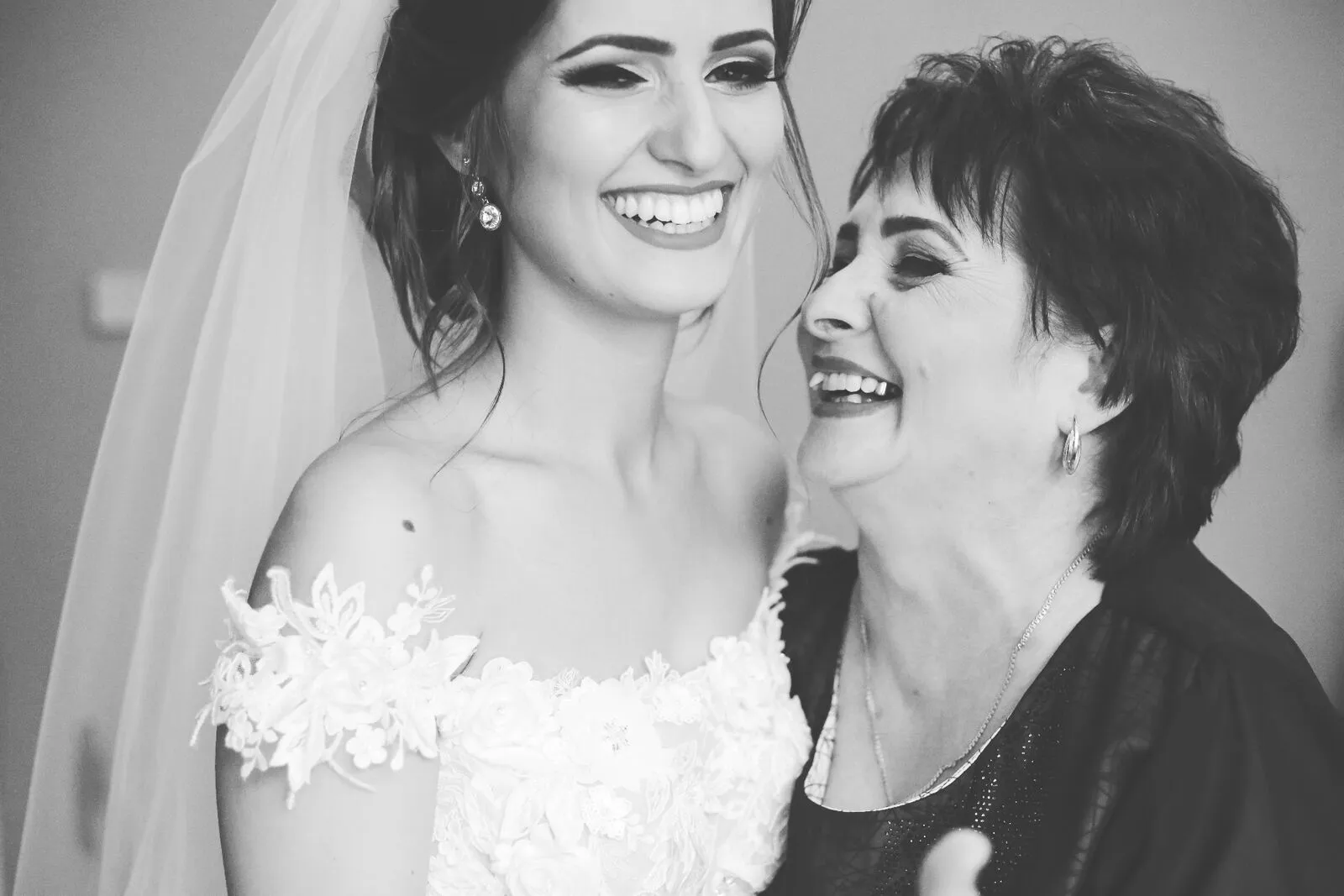
Mother of the Bride · April 13, 2026
How to Write a Mother of the Bride Speech: Ultimate Step-by-Step Guide
A complete step-by-step guide to writing a mother of the bride speech — from choosing tone and memories to managing nerves, editing for delivery, and ending with a toast.